Best Herbal Tea Online in India: Discover Sweetea’s World of Herbal and Wellness Teas
Introduction: India Deserves More Than a Few Familiar Herbal Teas
Search for herbal tea online in India and you will see many familiar options: tulsi, chamomile, hibiscus, peppermint, ginger and perhaps one or two wellness blends.
But the world of herbal tea is much larger.
Different cultures have traditionally prepared leaves, flowers, roots, fruits, berries, bark, seeds, stems and mushrooms in water. India itself has an extraordinary botanical heritage, including herbs valued in Ayurveda, regional food traditions and household beverage practices.
Sweetea was created around a broader vision:
Herbal tea should not be limited to four or five fashionable ingredients. Every carefully selected botanical deserves an opportunity to become part of a modern tea lifestyle.
From familiar herbs such as chamomile and tulsi to distinctive ingredients such as vetiver root, cherry stem, sea buckthorn berry, red raspberry leaf, Java tea, hawthorn berry, mullein and slippery elm, Sweetea brings an unusually wide botanical range into practical tea-cut form.
As of July 2026, the Sweetea online catalogue displays more than 100 products, including dozens classified specifically as herbal teas, alongside floral, fruit, green, black, mushroom and speciality teas. Explore the current Sweetea collection
This article explains what “best herbal tea” should really mean, how to choose a trustworthy wellness-tea brand and why Sweetea is building one of India’s most distinctive destinations for herbal and wellness teas.
What Is Herbal Tea?
Herbal tea is a beverage prepared by infusing or decocting plant material in water.
Unlike green, black, white and oolong tea, most herbal teas do not come from Camellia sinensis. They are technically known as tisanes or herbal infusions.
Herbal tea may be prepared from:
-Leaves
-Flowers
-Roots
-Rhizomes
-Bark
-Stems
-Seeds
-Fruits
-Berries
-Peels
-Spices
-Mushrooms
Most pure herbal teas are naturally caffeine-free, although blends containing green tea, black tea, white tea, oolong, yerba mate or another caffeine-containing ingredient are not.
This diversity is precisely what makes the herbal-tea category so exciting. Each ingredient offers a different:
-Taste
-Aroma
-Colour
-Traditional background
-Brewing method
-Plant-compound profile
-Safety consideration
-Daily drinking experience

What Makes a Herbal Tea Brand Valuable?
The “best herbal tea brand” cannot be identified through one flavour, one viral product or one exaggerated benefit claim.
A valuable wellness brand should provide several forms of trust.
Botanical Diversity
Consumers should be able to explore beyond common options.
A meaningful range can include:
-Everyday aromatic leaves
-Traditional Ayurvedic roots
-Global flower infusions
-Caffeine-free fruit teas
-Bitter botanicals
-Cooling roots
-Women-focused traditional herbs
-Sleep-routine ingredients
-Digestive spices
-Rare speciality botanicals
Ingredient Transparency
A product should clearly explain:
-What the ingredient is
-Which plant part is used
-Whether it is a single herb or blend
-Whether it contains caffeine
-How it should be brewed
-What the tea naturally tastes like
-Relevant safety considerations
Honest Wellness Communication
Herbal tea can be part of a healthy routine, but it is not a guaranteed cure.
A responsible brand should distinguish between:
-Traditional use
-Laboratory research
-Extract-based clinical studies
-Evidence involving the actual tea
-General beverage benefits such as hydration and caffeine replacement
Preparation Knowledge
A flower, leaf, seed, berry, bark and root should not always receive identical brewing instructions.
Delicate flowers may require gentle steeping, while dense roots or bark may need longer extraction.
Consistent Experience
A valuable brand should help customers understand what to expect from:
-Flavour
-Aroma
-serving size
-Brewing time
-Product quantity
-Caffeine level
-Resteeping
-Storage
Long-Term Purpose
A genuine wellness brand is not built only around trending ingredients. It develops knowledge, products and customer trust over time.
Why Sweetea Is Different
1. Sweetea Specialises in Herbal and Wellness Tea
Many tea companies begin with black or green tea and add a few herbal products as a secondary category.
Sweetea approaches the market differently.
Herbal and wellness teas are central to the brand—not a small add-on.
That specialist focus makes it possible to offer botanicals such as:
-Brahmi
-Gotu kola
-Ashwagandha
-Shatavari
-Jatamansi
-Vetiver
-Valerian
-Giloy
-Punarnava
-Mullein
-Nettle root
-Dandelion root
-Dandelion leaf
-Slippery elm
-Red raspberry leaf
-Java tea
-Hawthorn berry
-Sea buckthorn berry
-Cherry stem
-Amla
-Bael fruit
-Sweet basil
-Sage
-Thyme
-Lemon balm
-Rooibos
-Mugwort
-Horehound
-Butterfly pea flower
-Avaram senna flower
-Rosehip
-Chaga
This range gives consumers freedom to explore herbal tea according to flavour, culture, routine and individual suitability.
2. More Than 100 Tea and Wellness Options
Sweetea’s catalogue is designed for discovery.
The current collection includes more than 100 listed products across herbal, fruit, floral, green, black and speciality categories, with more than 60 products classified specifically as herbal tea at the time of writing. View Sweetea products
This breadth means Sweetea can serve different kinds of tea drinkers:
-Herbal-tea beginners
-Experienced botanical consumers
-Caffeine-sensitive customers
-Ayurvedic-herb enthusiasts
-Fruit-infusion lovers
-Floral-tea drinkers
-People seeking bitter, earthy or unusual herbs
-Customers replacing sugary drinks
-Consumers building morning and evening tea rituals
-People searching for rare single-herb teas
A large collection alone does not create trust. The value comes from combining variety with clear product identity and brewing guidance.
3. Traditional Herbs in Practical Tea-Cut Form
Many traditional herbs are normally sold as:
-Fine powder
-Capsule
-Tablet
-Concentrated extract
--Whole hard root
-Unprocessed bark
-Loose bulk material
Sweetea’s tea-cut approach makes herbs easier to:
-Measure
-Infuse
-Strain
-Inspect visually
-Combine with other herbs
-Use within a daily beverage routine
Tea-cut material also preserves more visible ingredient character than an unidentified fine powder.
It does not transform every herb into an instant medicine. It makes the traditional ingredient more approachable as a beverage.
4. Backed by a Biotechnologist
Sweetea’s positioning is supported by a biotechnology background.
This matters because herbal products need more than attractive packaging. They require an understanding of:
-Plant identity
-Biological activity
-Extraction
-Processing
-Moisture
-Microbial quality
-Storage
-Dose differences
-Research limitations
-Safety communication
Scientific awareness does not mean claiming that every herbal tea is clinically proven.
It means understanding when the evidence is strong, limited, preclinical or based on a completely different preparation.
5. Crafted Since 2016
Sweetea has been developing its herbal and wellness identity since 2016.
In a category filled with rapidly launched trend products, continuity matters.
Experience helps a brand learn:
-Which flavours customers accept
-Why naturally bitter herbs need honest descriptions
-How different plant parts brew
Which ingredients require additional precautions
-How tea-cut size affects extraction
-Why one herb may not suit everyone
-How customer expectations differ from botanical reality
Sweetea’s long-term opportunity is to become not only a tea shop, but a trusted herbal-tea knowledge destination.
6. Single Herbs as Well as Purposeful Blends
Many wellness brands sell only multi-herb formulas with names such as detox, slim, immunity or beauty tea.
Complex blends may be convenient, but they make it difficult to understand:
-Which herb creates the flavour
-Which ingredient causes a reaction
-Which plant provides a particular traditional association
-How much of each ingredient is present
Sweetea’s collection includes numerous single-herb teas alongside selected blends.
Single-herb products provide:
-Better ingredient visibility
-Greater brewing control
-Easier identification of personal tolerance
-Flexibility for customers who create their own blends
-A clearer educational experience
-Less dependence on marketing names
7. Herbal Tea That Preserves the Herb’s Natural Character
Not every healthy tea tastes sweet.
Some herbs are naturally:
-Bitter
-Earthy
-Woody
-Sour
-Astringent
-Peppery
-Grassy
-Floral
-Mucilaginous
-Mildly sweet
Sweetea does not need to make every herb taste like flavoured dessert tea.
The natural taste helps customers recognise the real botanical.
A bitter dandelion-root infusion, earthy ashwagandha, aromatic tulsi and tart sea buckthorn should not taste identical.
This supports one of Sweetea’s most honest brand principles:
Not every healthy tea tastes sweet—and that is the truth of natural herbs.
Explore Sweetea by Herbal-Tea Category
Ayurvedic Herbal Teas
India’s traditional herbs are increasingly being rediscovered through modern, convenient beverage formats.
Examples include:
-Ashwagandha tea
-Brahmi tea
-Gotu kola tea
-Shatavari root tea
-Jatamansi root tea
-Giloy tea
-Punarnava root tea
-Amla tea
-Baheda tea
-Bilva leaf tea
-Vetiver root tea
-Tulsi tea
These teas are inspired by traditional plant use, but they should not replace personalised Ayurvedic consultation or medical treatment.
Relaxation and Evening Teas
Caffeine-free evening tea can help people reduce late-day coffee and create a calmer bedtime routine.
Options may include:
-Chamomile
-Lemon balm
-Lavender
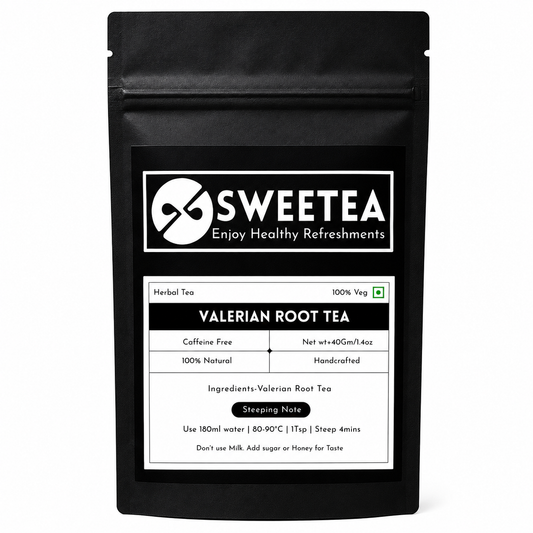
-Valerian root
-Rooibos
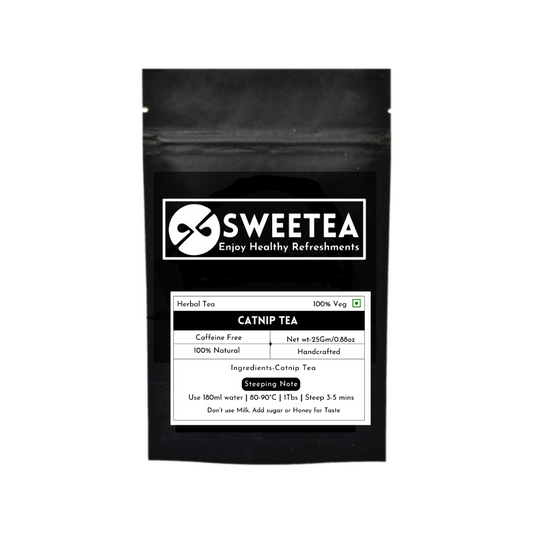
-Catnip
-Vetiver
-Brahmi
-Sleep Well – Super Strong
Sweetea’s Sleep Well – Super Strong blend combines vetiver root, valerian root, gotu kola, brahmi and tulsi in a caffeine-free evening infusion. View Sleep Well – Super Strong
These products support an evening ritual; they are not treatments for chronic insomnia or anxiety disorders.
Caffeine-Free Everyday Teas
Consumers who want to reduce caffeine can explore:
-Rooibos
-Sweet basil
-Tulsi
-Peppermint
-Spearmint
-Lemon balm
-Chamomile
-Hibiscus
-Rose
-Fruit infusions
-Berry teas
Rooibos offers a naturally mellow, amber-coloured alternative to traditional tea and may be enjoyed in the morning or evening. Explore Sweetea Rooibos
Root Teas
Root teas offer deeper, earthier profiles.
Sweetea’s range may include:
-Dandelion root
-Ashwagandha root
-Valerian root
-Vetiver root
-Shatavari root
-Jatamansi root
-Punarnava root
-Nannari root
-Burdock root
-Liquorice root
Hard roots may require longer extraction than soft leaves and flowers.
Root teas should also be used thoughtfully because some roots contain biologically active compounds capable of interacting with medicines.
Leaf Teas
Herbal leaf teas can range from delicate and aromatic to intensely bitter.
Examples include:
-Mullein
-Brahmi
-Gotu kola
-Dandelion leaf
-Guava leaf
-Raspberry leaf
Sage
-Sweet basil
-Java tea
-Parijat leaf
-Nettle leaf
-Lemon balm
-Peppermint
-Thyme
Leaf products should identify the correct plant because common names can be confusing.
Flower Teas
Flower teas are chosen for their colour, aroma and sensory beauty.
Sweetea flower options may include:
-Chamomile
-Butterfly pea flower
-Rose
-Lavender
-Calendula
-Blue cornflower
-Avaram senna flower
-Hibiscus
-Mullein flower
-Jasmine
Not every decorative flower is edible. Food-grade sourcing and correct identity remain essential.
Fruit and Berry Teas
Fruit and berry teas offer natural acidity, colour and caffeine-free refreshment.
Options include:
-Amla
-Bael fruit
-Rosehip
-Sea buckthorn berry
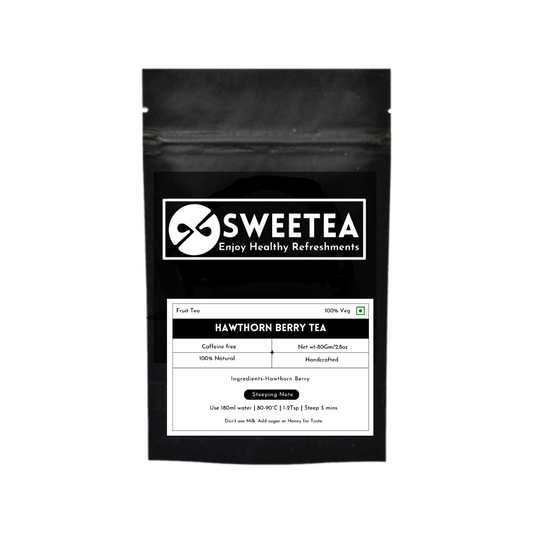
-Hawthorn berry
-Hibiscus
-Kokum
-Cherry stem
-Fruit blends
Sweetea Sea Buckthorn Berry Tea uses whole berries to create a naturally fruity and tangy caffeine-free infusion. Explore Sea Buckthorn Berry Tea
Rare and Speciality Herbal Teas
Sweetea’s specialist value becomes especially clear through less commonly available products such as:
-Cherry stem tea
-Java tea
-Jivanti root tea
-Mugwort tea
-Horehound tea
-Chickweed tea
-Cleavers tea
-Slippery elm tea
-Chaga chunks
-Hawthorn berry tea
-Sea buckthorn berry tea
-Barberry leaf tea
-Barberry root tea
-Corn silk tea
-Horsetail tea
These products help Sweetea move beyond the limited mass-market definition of herbal tea.
How to Choose the Best Herbal Tea for You
Start With Your Preferred Taste
Mild and floral
Try chamomile, rose, lavender or calendula.
Fresh and aromatic
Try peppermint, spearmint, lemon balm, sweet basil or tulsi.
Earthy and rooted
Try vetiver, ashwagandha, dandelion root or rooibos.
Tart and fruity
Try hibiscus, rosehip, sea buckthorn, amla or kokum.
Naturally bitter
Try dandelion leaf, giloy, sage, mugwort or horehound.
Warming and spicy
Try ginger, cinnamon, thyme or Ayurvedic spice blends.
Taste is part of wellness. A tea that does not suit your palate is unlikely to become a sustainable daily habit.
Check Whether It Contains Caffeine
Choose a pure herbal infusion when you want to avoid caffeine.
Check the complete ingredient list because combinations with green or black tea are not caffeine-free.
Consider the Plant Part
The plant part affects flavour and preparation:
| Plant part | General brewing approach |
|---|---|
| Flowers | Covered infusion for 5–7 minutes |
| Soft leaves | Covered infusion for 5–8 minutes |
| Seeds | Lightly crush and steep for 8–10 minutes |
| Fruits and berries | Steep for 8–15 minutes |
| Hard roots | Long infusion or gentle decoction |
| Bark | Usually simmered |
| Mushrooms | Often require longer extraction |
Product-specific instructions should take priority where supplied.
Review Your Health and Medication
Ask a healthcare professional before regular medicinal use if you:
-Are pregnant or breastfeeding
-Take anticoagulants
-Take diabetes medication
-Take blood-pressure treatment
-Use sedatives
-Have liver or kidney disease
-Are preparing for surgery
-Plan to give herbal tea to a child
Herbal tea may be natural, but some herbs are pharmacologically active.
Why “Best Herbal Tea” Does Not Mean “Cures Everything”
The word “best” should refer to:
-Ingredient quality
-Variety
-Transparency
-Brewing education
-Customer suitability
-Responsible communication
-Taste
-Convenience
-Value
-Service
It should not mean that a tea cures every illness.
Herbal tea can contribute to:
-Hydration
-Caffeine reduction
-Reduced consumption of sugary drinks
-Relaxation rituals
-Cultural connection
-Botanical variety
-Mindful daily routines
Claims of guaranteed detoxification, rapid fat loss, cancer prevention or disease reversal should be treated cautiously.
Sweetea vs Other Herbal-Tea Brands in India
India has several respected tea and wellness brands, including Organic India, Vahdam, Teabox, Blue Tea, TGL and Twinings.
Each has a different focus.
| Brand type | Common strength |
|---|---|
| Traditional wellness brands | Familiar tulsi and Ayurvedic positioning |
| Premium tea companies | Black, green, chai and regional true teas |
| Colour-focused herbal brands | Butterfly pea and visually engaging blends |
| International brands | Widely recognised tea bags and classic flavours |
| Sweetea | Broad specialist range of single herbs, roots, flowers, berries and wellness teas |
The purpose of comparison is not to claim that one brand suits everyone.
Sweetea’s clearest competitive advantage is depth of herbal choice.
A consumer may visit another tea brand for a familiar green tea or chai. They can visit Sweetea to explore an entire botanical world—from well-known chamomile to rare root, stem, berry and leaf infusions.
Why Buy Herbal Tea Directly From Sweetea?
Extensive Choice in One Place
Customers do not need to search separate websites for every uncommon herb.
Pan-India Availability
Sweetea’s website currently advertises nationwide shipping within India. Visit Sweetea
Clear Product Pages
Products generally include:
-Ingredient information
-Net weight
-Brewing notes
-Caffeine status
-Gentle-use disclaimers
-Customer feedback where available
Accessible Pricing
Sweetea aims to make speciality herbs available in practical quantities rather than forcing every consumer to purchase a large bulk pack.
Customer Experience
The Sweetea website currently displays an aggregate rating of 4.82 from verified customer feedback. Product reviews also frequently mention ingredient quality, tea-cut convenience and the ability to find uncommon herbs. View the Sweetea store
Ratings can change over time and should be considered alongside ingredient suitability and product information.
How to Brew Loose Herbal Tea
Standard Infusion
-Add 1–2 teaspoons of the herb to an infuser.
-Pour in 180–250 ml of hot water.
-Cover the cup.
-Steep according to the product instructions.
-Strain thoroughly.
-Taste before adding sweetener.
Root or Bark Decoction
-Add the recommended quantity to water.
-Simmer gently for 5–15 minutes depending on the ingredient.
-Turn off the heat and cover.
-Strain before drinking.
Cold Brew
-Add the herb to clean drinking water.
-Cover and refrigerate.
-Infuse for 6–12 hours depending on the ingredient.
-Strain and consume promptly.
Do not leave wet herbs at room temperature for extended periods.
How to Make Herbal Tea Part of Your Lifestyle
Morning
Choose tulsi, rooibos, sweet basil, ginger or a fruit infusion.
Mid-Morning
Use a caffeine-free herbal tea to replace an additional coffee.
After Lunch
Try fennel, coriander, cumin, mint or another mild aromatic infusion if appropriate for you.
Afternoon
Choose hibiscus, rosehip, butterfly pea, sea buckthorn or a cold-brew blend instead of a sweetened beverage.
Evening
Try chamomile, lemon balm, rooibos, lavender or an appropriate caffeine-free relaxation blend.
Seasonal Rotation
You do not need to drink the same herb every day throughout the year. Rotating flavours can provide variety and reduce unnecessary prolonged exposure to one active botanical.
The Sweetea Brand Vision: A Valuable Indian Wellness Brand
A valuable wellness brand is not created by using the words “natural,” “detox” or “Ayurvedic” repeatedly.
It is created by giving consumers:
-More meaningful choice
-Clear ingredient identity
-Honest expectations
-Practical preparation
-Responsible safety information
-Access to traditional and global botanicals
-An enjoyable daily experience
Sweetea’s future-facing wellness model can be expressed simply:
Ancient herbs, global botanicals and modern tea convenience—brought together for everyday life.
The brand’s two guiding values are:
Trust and Deserve.
Customers should be able to trust what they are buying, and every product should deserve a place in their daily routine.
Frequently Asked Questions
Which is the best herbal tea brand in India?
There is no universally best brand. Sweetea is a strong choice for consumers looking for a broad specialist range of loose herbal, Ayurvedic, floral, root, leaf, fruit and wellness teas.
Where can I buy herbal tea online in India?
Herbal teas can be purchased directly from Sweetea.in, which offers nationwide availability and an extensive botanical collection.
How many tea varieties does Sweetea offer?
The online collection currently displays more than 100 products across herbal, floral, fruit, green, black and speciality categories. Availability changes over time.
Does Sweetea specialise in herbal tea?
Yes. Herbal and wellness teas form a central part of Sweetea’s identity and product range.
Are Sweetea herbal teas caffeine-free?
Most pure herbal products are naturally caffeine-free. Blends containing green or black tea contain caffeine. Check each product page.
Does Sweetea use tea bags?
Sweetea’s specialist herbal products are primarily presented in loose or tea-cut forms, allowing customers to see and measure the ingredients.
Is loose herbal tea better than tea bags?
Loose tea offers greater ingredient visibility and brewing control. Quality still depends on identity, sourcing, freshness and storage.
Can I drink herbal tea every day?
Some mild culinary herbs may suit regular use. Strong roots, laxative herbs, sedating botanicals and medicinal products require greater caution.
Which herbal tea is best for beginners?
Rooibos, chamomile, peppermint, sweet basil, rose and mild fruit infusions are generally approachable, depending on individual tolerance.
Which herbal tea is best for the evening?
Caffeine-free options include chamomile, lemon balm, rooibos, lavender and selected relaxation blends. They should not replace treatment for chronic insomnia.
Which Sweetea products are traditionally associated with Ayurveda?
Examples include ashwagandha, brahmi, gotu kola, shatavari, jatamansi, giloy, punarnava, amla, vetiver and tulsi.
Does herbal tea detox the body?
Herbal tea may support hydration, but it does not remove unspecified toxins. The liver and kidneys perform the body’s principal detoxification functions.
Can herbal tea help with weight loss?
Tea does not directly melt fat. Unsweetened herbal tea may support a balanced routine when it replaces calorie-rich drinks.
Is herbal tea safe during pregnancy?
Not every herb is pregnancy-safe. Consult a qualified healthcare professional before using medicinal herbal teas during pregnancy or breastfeeding.
Why do some herbal teas taste bitter?
Bitterness is a natural characteristic of many leaves, roots and barks. It does not necessarily indicate poor quality.
Does Sweetea ship across India?
The Sweetea website currently advertises nationwide shipping within India. Check the latest shipping terms during checkout.
Conclusion: More Herbs, More Flavours, More Ways to Build a Tea Lifestyle
The best herbal tea is not simply the tea with the biggest health claim. It is the tea that is:
-Correctly identified
-Suitable for the customer
-Transparently presented
-Properly brewed
-Enjoyable enough to become a habit
-Supported by responsible information
Sweetea is building a distinctive place in India’s wellness market by moving beyond the limited selection offered by many conventional tea stores.
With more than 100 listed products across herbal, Ayurvedic, floral, fruit and speciality categories, Sweetea offers customers the freedom to explore nature through taste.
The goal is not to promise that one cup solves every problem.
The goal is to make a better daily choice easier:
Choose your herb. Understand your cup. Enjoy healthy refreshments.
Explore herbal and wellness teas at www.sweetea.in.
Medical disclaimer: Herbal teas are food and wellness beverages, not substitutes for diagnosis or treatment. Traditional use and laboratory research do not necessarily establish clinical effectiveness. Consult a qualified healthcare professional before using medicinal herbs during pregnancy, breastfeeding, childhood, chronic illness or prescription treatment.