How Holistic Herbs Support Day-to-Day Healing: An Evidence-Based Guide to Everyday Wellness
When people hear the phrase “herbal healing,” they often imagine a plant curing an illness on its own. That is not the most accurate—or the most useful—way to understand herbs.
Day-to-day healing is usually quieter.
It can mean recovering after a stressful week, sleeping more consistently, maintaining hydration, feeling less nauseated, finding a comfortable after-meal ritual, soothing a dry throat or creating a pause before the next task. It can also mean supporting the body while medical treatment addresses a diagnosed condition.
Herbs may contribute to these experiences through:
-taste and aroma;
-warm or cool hydration;
-specific plant compounds;
-substitution for excessive caffeine, alcohol or sugary drinks;
-support for selected symptoms;
-a repeatable self-care ritual;
-connection with food traditions and nature.
They do not work equally for everyone. A leaf used safely in tea may behave differently as a concentrated extract. A useful herb for one symptom can worsen another. Peppermint may support some lower-digestive symptoms but trigger reflux. Ginger may reduce nausea but cause heartburn. Chamomile may be a gentle evening beverage but provoke an allergy in someone sensitive to related plants.
A holistic approach does not reject modern medicine. The National Centre for Complementary and Integrative Health describes integrative health as the coordinated use of conventional and complementary approaches with attention to the whole person.
That is the foundation of this guide:
Herbs can support everyday healing when they are selected for a clear purpose, used in an appropriate form and placed inside a lifestyle that includes food, sleep, movement, relationships and medical care.

What does “holistic healing” actually mean?
Holistic healing considers the interconnections between different parts of life rather than reducing every problem to one organ or one ingredient.
The whole-person picture includes:
-physical health;
-emotional state;
-sleep and circadian rhythm;
-nutrition;
-movement and physical capacity;
-work and mental load;
-family and social relationships;
-environment;
-cultural identity;
-diagnosed conditions;
-medicines and treatments;
-access to professional care.
If a person is exhausted because they work late, sleep five hours, skip meals and rely on caffeine, an “energy herb” does not solve the whole problem. It may mask fatigue while the underlying routine continues.
Likewise, a sleep tea cannot compensate fully for irregular bedtimes, bright screens, untreated sleep apnoea, chronic pain or severe anxiety.
Holistic care asks two questions:
-What is the symptom?
-What pattern is helping to create or maintain it?
Herbs may support the first question. Lifestyle and medical assessment often address the second.
Healing, curing and supporting are different
These words should not be used interchangeably.
Healing
Healing can describe the body’s physical recovery and a person’s broader process of regaining comfort, function or emotional balance.
Cure
A cure implies that a disease or condition has been eliminated. That is a strong medical claim requiring strong evidence.
Support
Support means helping a normal function, routine or symptom-management strategy without claiming to remove the underlying disease.
For most everyday herbal teas, support is the most responsible word.
A tea might:
-support fluid intake;
-provide a caffeine-free evening option;
-soothe the experience of a dry throat;
-help some people with nausea;
-create an after-meal ritual;
-encourage mindful slowing down.
It should not automatically be said to:
-cure infection;
-reverse diabetes;
-detoxify the liver;
-dissolve kidney stones;
-correct hormonal disease;
-prevent cancer;
-replace prescribed medicine.
How herbs may help in everyday life
Herbs work through more than one pathway.
1. Plant chemistry
Herbs contain complex mixtures of volatile oils, polyphenols, alkaloids, saponins, mucilage, bitter compounds and other constituents. Some have measurable biological effects.
The presence of a compound does not guarantee a clinical benefit. Dose, extraction, digestion and metabolism matter.
2. Hydration
A pleasant herbal infusion may encourage someone to drink more fluid. This can be useful when plain water feels repetitive.
Herbal tea is not a substitute for oral rehydration solution during significant diarrhoea, vomiting or dehydration.
3. Sensory regulation
Aroma, warmth, colour and flavour affect experience. Holding a warm cup may signal a pause. Strong peppermint can feel cooling; ginger can feel warming; chamomile can feel soft and familiar.
These sensations are real even when they do not represent treatment of disease.
4. Behavioural substitution
One of the most practical benefits is what the tea replaces:
-a late coffee;
-a sugary soft drink;
-an alcoholic nightcap;
-continuous snacking;
-an automatic stress response.
If an unsweetened herbal tea replaces a high-calorie drink, the benefit comes mainly from the substitution—not from a fat-burning property.
5. Ritual and consistency
A repeatable tea ritual can anchor another healthy action:
-morning tea with daylight exposure;
-after-lunch tea followed by a ten-minute walk;
-evening tea followed by screen-free reading;
-seasonal tea paired with rest and symptom monitoring.
The herb becomes a cue for behaviour.
6. Cultural connection
Tulsi, vetiver, nannari, ginger, sage, thyme and regional fruits carry culinary and family memories. Cultural familiarity can make a healthy routine easier to sustain.
Tradition is evidence of use, not automatic proof of efficacy. Both forms of knowledge can be respected without confusing them.
The evidence ladder: how to read herbal claims
Herbal marketing often places all research at the same level. It is not.
| Evidence level | What it can tell us | What it cannot prove |
|---|---|---|
| Traditional use | How a culture used an herb and for what purpose | That the use is clinically effective or safe for everyone |
| Chemical analysis | Which compounds are present in a sample | That drinking the herb changes a health outcome |
| Test-tube study | Whether an extract affects cells, enzymes or microbes directly | That an ordinary tea treats disease in humans |
| Animal study | Possible mechanisms and biological effects | Human efficacy, ideal dose or long-term safety |
| Observational human study | Associations between use and outcomes | Cause and effect |
| Small clinical trial | Early evidence for a defined product and population | Universal benefit across all products and people |
| Randomised controlled trial | Stronger evidence for the exact tested preparation | Benefit from every tea, dose or species |
| Systematic review | Overall pattern across multiple studies | Quality beyond the included evidence |
When a study tests a concentrated capsule, its result should not be used to advertise a weak tea. When a trial uses thyme plus ivy, the result belongs to that combination—not thyme alone.
Herbs that can fit different parts of the day
Morning: gentle activation without excessive stimulation
Possible choices include:
-ginger;
-tulsi;
-rosemary in food-level infusion;
-green tea when caffeine is wanted;
-peppermint for people without reflux.
The morning goal is not to force energy from the body. It is to pair hydration, breakfast, natural light and movement with a beverage that fits the person.
Ginger
Ginger has meaningful evidence for certain types of nausea, including pregnancy-related nausea, though results and recommendations depend on the context. It may also affect gastric motility.
Possible side effects include:
-heartburn;
-abdominal discomfort;
-diarrhea;
-mouth or throat irritation.
Ginger is a useful example of why “good for digestion” is too broad. It may help one digestive symptom and worsen another.
Green tea
Green tea contains caffeine and catechins. It can support alertness as part of a morning routine, but strong tea on an empty stomach may cause nausea. Caffeine may worsen anxiety, palpitations, sleep or reflux in sensitive people.
Green tea extract supplements can create safety concerns not expected from normal brewed tea. Beverage and extract should not be treated as identical.
Midday: digestion, hydration and workday pause
Possible choices include:
-fennel;
-ginger;
-thyme;
-tulsi;
-mild peppermint if reflux is absent;
-rooibos for caffeine-free hydration.
The strongest daily benefit may come from stopping work for five minutes and drinking deliberately.
Fennel
Fennel has a naturally sweet, anise-like flavour and traditional digestive use. Clinical evidence varies by use and preparation.
People with allergies to Apiaceae-family plants should use caution. Concentrated medicinal use deserves particular review during pregnancy or hormone-sensitive conditions.
Peppermint
Enteric-coated peppermint oil has evidence for improving some irritable-bowel-syndrome symptoms. This does not prove that peppermint tea produces the same dose or effect.
Mint can lower lower-oesophageal-sphincter pressure and cause heartburn. Someone with reflux may be better served by a non-mint tea.
Thyme
Thyme is a savoury, caffeine-free option. European regulators recognise certain thyme preparations for traditional use in productive coughs associated with colds. Evidence for plain tea remains limited.
Afternoon: replace automatic caffeine
Possible choices include:
-rooibos;
-hibiscus;
-kokum;
-amla blends;
-chamomile;
-light tulsi;
-lemon balm.
A caffeine-free cup can protect evening sleep when it replaces late coffee or strong tea.
Rooibos
Rooibos provides a mild, naturally caffeine-free base. It is not a proven treatment, but its gentle taste helps carry other herbs and fruit.
Hibiscus and kokum
These tart red infusions offer colour and strong flavour. They may replace sweetened soda when served without excessive sugar.
Their acidity may aggravate reflux or contribute to dental erosion when sipped continuously. Rinse with plain water and avoid brushing immediately after acidic drinks.
Lemon balm
Lemon balm has a long traditional association with calm and digestion. Small studies of certain preparations exist, but ordinary tea should not be marketed as treatment for anxiety or insomnia.
Its gentle lemon-like aroma may help create a psychological transition out of work mode.
Evening: reduce stimulation and create a sleep cue
Possible choices include:
-chamomile;
-lemon balm;
-rooibos;
-lavender used lightly;
-passionflower with safety awareness;
-valerian for selected short-term use, not as a universal solution.
Chamomile
Chamomile is generally considered safe in amounts commonly found in tea for many people. However, evidence for insomnia is limited, and allergy can occur—especially in people sensitive to ragweed, chrysanthemums, marigolds or daisies.
Its value may be the ritual: caffeine-free warmth, a familiar aroma and a cue that the day is ending.
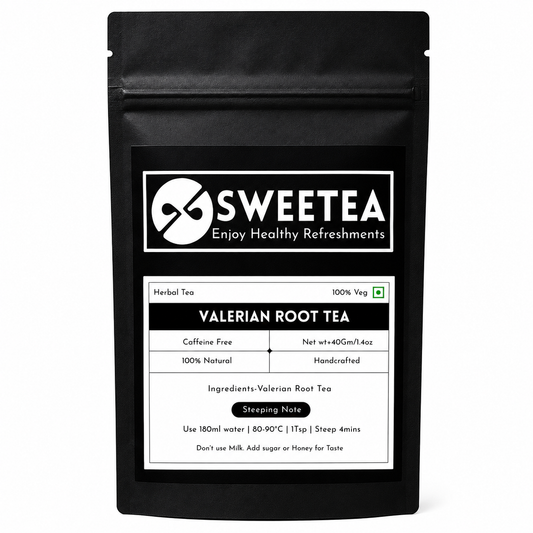
Valerian
Clinical trials for chronic insomnia have produced inconsistent results, and a clinical practice guideline has recommended against valerian for chronic insomnia. NCCIH notes that short-term use may be safe for many adults, while long-term safety is uncertain.
Valerian can cause drowsiness and should not be casually combined with alcohol or sedative medicines.
Passionflower
Passionflower may cause drowsiness, dizziness or confusion. Short-term tea use has limited safety data. It is not ideal before driving, and pregnancy safety requires caution.
Everyday goals and realistic herbal roles
| Daily goal | Herbs or infusions to consider | Realistic role | Important cautions |
| Morning alertness | Green tea, ginger, tulsi | Ritual, flavour and caffeine when present | Anxiety, reflux, sleep disruption |
| Nausea support | Ginger | Evidence for selected nausea contexts | Heartburn and medicine review |
| After-meal comfort | Fennel, ginger, thyme, peppermint | Traditional digestive ritual | Peppermint may worsen reflux |
| Caffeine reduction | Rooibos, chamomile, kokum, hibiscus | Replaces caffeinated beverages | Acidic fruit teas affect reflux/teeth |
| Seasonal throat comfort | Thyme, sage, ginger, tulsi | Warm fluid and traditional comfort | Not treatment for pneumonia or severe infection |
| Evening transition | Chamomile, lemon balm, rooibos | Caffeine-free sleep cue | Allergy and medicine considerations |
| Short-term calming ritual | Chamomile, lemon balm, passionflower | Sensory pause | Not psychiatric treatment; drowsiness possible |
| Joint-comfort routine | Turmeric as food or tea | Culinary variety; evidence depends on preparation | Reflux, GI upset and possible liver concerns |
| Stress-focused routine | Ashwagandha products in selected adults | Some evidence for certain extracts short term | Pregnancy, thyroid, sedatives, liver injury reports |
| Hydration variety | Most unsweetened food-level infusions | Helps reduce beverage boredom | Herb-specific safety still applies |
Ayurveda, traditional knowledge and modern evidence
Ayurveda does not traditionally treat every plant as interchangeable or universally beneficial. Classical decision-making considers the person, preparation, dose, season and context.
Modern retail often removes that complexity and sells one herb for one result:
-ashwagandha for stress;
-shatavari for women;
-brahmi for memory;
-tulsi for immunity;
-turmeric for inflammation.
These slogans are easier to market than a careful consultation, but they can be misleading.
A responsible modern approach can respect traditional knowledge while asking:
-Is the botanical identity correct?
-Which plant part is used?
-Is it food, tea, powder, extract or medicine?
-What dose was traditionally used?
-What does modern human research support?
-Who should avoid it?
-Does the claim comply with food and medicine regulations?
Tradition and science do not need to compete. They answer different questions.
The difference between food, tea, extract and essential oil
The same herb can become very different products.
| Form | Typical concentration | Main use | Safety implications |
| Culinary food amount | Low | Flavour and nutrition | Often lowest risk, but allergy still possible |
| Herbal infusion | Low to moderate | Beverage and traditional self-care | Extraction depends on water and time |
| Powder | Potentially higher intake of whole plant | Food or supplement | Dose can rise quickly |
| Tincture | Concentrated liquid extract | Medicinal-style use | Alcohol and active concentration matter |
| Standardized extract | Defined concentrated constituents | Research or supplement | Study evidence may be product-specific |
| Essential oil | Highly concentrated volatile fraction | Aroma or formulated products | Not automatically safe to swallow |
Adding essential oil to water is not equivalent to making tea. Oil does not disperse evenly and may contact tissues in concentrated droplets.
Herbs do not “detox” the body in the way marketing suggests
The liver, kidneys, lungs, digestive tract and skin participate in processing and eliminating substances. A vague claim that tea “flushes all toxins” does not identify:
-which toxin;
-how it is measured;
-which organ pathway changes;
-what dose is required;
-whether the change improves health.
Some herbs affect liver enzymes or urine output. That does not make them universal detoxifiers.
Aggressive detox products may contain:
-stimulant laxatives;
-strong diuretics;
-high caffeine;
-multiple interacting herbs.
The resulting diarrhoea, increased urination or sweating is not proof that toxins are leaving. It may cause dehydration or electrolyte problems.
A better daily strategy is:
-adequate fluid;
-sufficient fibre;
-regular bowel habits;
-limited alcohol;
-not smoking;
-balanced food;
-safe work and home environments;
-medical care for actual poisoning or organ disease.
“Anti-inflammatory” does not mean instant healing
Inflammation is part of immune defence and tissue repair. Chronic dysregulated inflammation is involved in many diseases, but a laboratory anti-inflammatory effect does not mean an herb treats all inflammatory conditions.
Turmeric illustrates the distinction. Curcumin products have been studied in various conditions, but formulations differ dramatically in bioavailability. Ordinary turmeric tea does not deliver the same exposure as enhanced-absorption capsules.
NCCIH notes that oral turmeric may cause:
-nausea;
-vomiting;
-acid reflux;
-stomach upset;
-diarrhea;
-constipation.
Rare liver injury has also become a concern with some turmeric or curcumin products. More concentrated and “better absorbed” is not always safer.
Adaptogens: helpful category or marketing shortcut?
Adaptogen is used for herbs said to improve the body’s ability to respond to stress. Ashwagandha, rhodiola and ginseng are common examples.
Some standardised ashwagandha extracts have shown benefits for perceived stress or sleep in short-term studies. That evidence does not apply automatically to every root tea or powder.
NCCIH reports that ashwagandha:
-may be safe for some adults for up to approximately three months;
-can cause drowsiness, stomach upset, diarrhoea or vomiting;
-has been linked rarely to liver injury;
-should be avoided during pregnancy;
-may interact with sedatives, thyroid medicines, diabetes medicines, blood-pressure medicines and immune-modulating drugs.
Stress support should also include:
-workload boundaries;
-sufficient sleep;
-exercise;
-social support;
-counselling when needed;
-assessment for anxiety, depression or burnout.
An adaptogen should not help a harmful lifestyle continue unchanged.
The most powerful herbal benefit may be routine design
People often struggle not because they lack information, but because healthy actions are not connected to reliable cues.
Tea can become that cue.
Morning anchor
Cue: After opening the curtains
Action: Drink ginger or tulsi tea with breakfast
Linked habit: Ten minutes of outdoor light
Midday anchor
Cue: After lunch
Action: Drink fennel or thyme infusion
Linked habit: Walk for ten minutes
Work-closing anchor
Cue: Laptop shutdown
Action: Brew rooibos or lemon balm
Linked habit: Write tomorrow’s three priorities
Evening anchor
Cue: One hour before bed
Action: Small chamomile tea if tolerated
Linked habit: Dim lights and put away the phone
The herb may contribute, but the linked behaviour often produces the larger effect.
How to choose a daily herb safely
Step 1: define one purpose
Choose one:
-replace late caffeine;
-support nausea comfort;
-create an after-meal ritual;
-make hydration more enjoyable;
-wind down before sleep.
Avoid selecting a blend that claims to solve ten unrelated problems.
Step 2: check botanical identity
The label should state:
-common name;
-scientific name;
-plant part;
-full ingredient list.
“Brahmi” can refer to different plants in different markets. “Garcinia” can refer to different species. Correct identity is not a minor detail.
Step 3: choose a simple preparation
Begin with one herb or a two-ingredient blend. Complex formulas make reactions and interactions harder to identify.
Step 4: start low
Use the package directions and begin with one mild cup. Stronger is not automatically better.
Step 5: track response
Record:
-time;
-serving size;
-whether it was taken with food;
-symptoms before and after;
-reflux, rash, headache, diarrhoea or drowsiness;
-medicines taken nearby.
Step 6: review after one or two weeks
Ask whether the tea actually improved the routine. Do not continue automatically because the packet is unfinished.
A seven-day whole-person herbal routine
This is a lifestyle experiment, not a cleanse or treatment plan.
Day 1: simplify
Choose one caffeine-free herb you have tolerated before. Brew it lightly.
Day 2: remove distraction
Drink one cup without phone, television or work.
Day 3: connect movement
Pair the cup with a ten-minute walk or gentle mobility.
Day 4: improve sleep timing
Replace late caffeine with rooibos, chamomile or lemon balm if appropriate.
Day 5: pair with nourishment
Take the tea alongside a balanced meal rather than using it to skip food.
Day 6: connect with nature
Drink near a window, outdoors or after caring for a plant. The goal is attention, not mysticism.
Day 7: evaluate
Review sleep, digestion, mood, caffeine intake and symptoms. Keep what worked. Remove what did not.
Safety: natural does not mean harmless
Herbs contain active chemicals. Safety depends on:
-species;
-plant part;
-preparation;
-dose;
-duration;
-age;
-pregnancy;
-organ function;
-allergy;
-medicines;
-product quality.
NCCIH warns that herbal products can cause direct toxicity, drug interactions or contamination. Some interactions are well documented, while many are theoretical or based on indirect evidence. Uncertainty is not proof of safety.
People who should seek advice before regular herbal use
-pregnant or breastfeeding people;
-children;
-older adults taking multiple medicines;
-people with liver, kidney or heart disease;
-people using anticoagulants;
-people using sedatives;
-transplant recipients;
-people receiving cancer treatment;
-people with seizure disorders;
-anyone preparing for surgery.
High-risk examples
-St John’s wort: can reduce the effect of many crucial medicines.
-Liquorice root: glycyrrhizin can cause hypertension, low potassium and abnormal heart rhythms.
-Kava: associated with serious liver injury.
-Comfrey: contains pyrrolizidine alkaloids that can harm the liver.
-Ginkgo seeds: raw or roasted seeds can be toxic.
-Senna: intended as a stimulant laxative, not a daily detox tea.
-Essential oils: highly concentrated and not automatically safe to ingest.
How product quality affects healing claims
Even a suitable herb may be unsafe or ineffective if the product is poor.
A responsible tea company should control:
-botanical identity;
-source and traceability;
-pesticide residues;
-heavy metals;
-microbial limits;
-foreign matter;
-moisture;
-mycotoxins where relevant;
-adulteration;
-packaging integrity;
-batch consistency;
-shelf life.
“Organic,” “natural,” “traditional” and “premium” do not replace testing.
The product tested in a scientific study may differ greatly from a random online powder. Species, extraction and active-marker concentration can change the result.
When herbs should not be the first response
Seek medical care for:
-chest pain;
-difficulty breathing;
-fainting;
-weakness on one side;
-severe allergic reaction;
-vomiting blood;
-black stools;
-persistent high fever;
-severe dehydration;
-unexplained weight loss;
-difficulty swallowing;
-persistent vomiting;
-symptoms that are severe, worsening or recurring.
Mental-health crises, suicidal thoughts and severe depression require urgent professional support. A calming tea is not crisis care.
Do not stop prescribed medicines because an herb is described as natural.
A realistic herbal toolkit
Instead of keeping dozens of products, begin with a small, purpose-based set.
Ginger
Role: Occasional nausea support and warming food or tea
Caution: Heartburn and medicine review at concentrated doses
Rooibos
Role: Caffeine-free everyday beverage base
Caution: Do not present as a treatment
Chamomile
Role: Evening ritual
Caution: Related-plant allergy; limited insomnia evidence
Fennel
Role: Pleasant after-meal drink
Caution: Allergy and concentrated-use considerations
Thyme or tulsi
Role: Savoury seasonal tea
Caution: Traditional comfort, not infection treatment
Kokum or hibiscus
Role: Tart iced alternative to sweet drinks
Caution: Reflux and dental acidity
This small toolkit covers beverage situations without turning the kitchen into an unmonitored dispensary.
Responsible Sweetea brand positioning
Sweetea can define holistic herbs through honesty:
Holistic herbal wellness is not a promise that one plant will cure everything. It is the thoughtful use of herbs, fruits, flowers and roots to support daily rituals while respecting evidence, safety and the body’s individual needs.
Suggested brand principles
-Purpose before trend: Every herb should have a clear sensory or traditional reason for inclusion.
-Identity before claim: State the botanical species and plant part.
-Tea before extract: Explain when research uses a preparation different from the product.
-Support before cure: Use responsible wellness language.
-Safety before sales: Make cautions visible.
-Lifestyle before miracle: Connect tea with sleep, movement, food and mindfulness.
-Trust and deserve: Build long-term trust through honest evidence.
Frequently asked questions
What are holistic herbs?
The phrase usually refers to plants used within a whole-person wellness approach. It is not a scientific botanical category.
Can herbs heal the body?
Some herbs can affect symptoms or physiological processes. “Healing” is broader than cure and depends on the condition, product and person. Herbs should not be assumed to cure disease.
How do herbal teas help daily life?
They can support hydration, replace excessive caffeine or sugar, provide symptom comfort and anchor mindful routines.
Which herb is best for daily use?
There is no universal best herb. Rooibos is a mild caffeine-free beverage; ginger may suit nausea; chamomile may suit an evening ritual. Individual safety matters.
Can I drink herbal tea every day?
It depends on the herb, strength, medicines and health conditions. Food-like teas generally differ from medicinal extracts, but daily use still deserves review.
Do herbs boost immunity?
No herb guarantees stronger immunity or prevention of infection. Sleep, nutrition, vaccination, movement and management of chronic conditions are more reliable foundations.
Are Ayurvedic herbs scientifically proven?
Evidence varies by herb, preparation and outcome. Traditional use is valuable historical knowledge but is not identical to clinical proof.
Is herbal tea safer than medicine?
Not automatically. Medicines and herbs have different evidence, quality controls, doses and risks. Some herbs interact seriously with medicines.
Can herbs replace prescription medicine?
Usually not without clinician supervision. Stopping treatment may allow a condition to worsen.
What is the difference between herbal tea and extract?
Tea is primarily a water infusion. Extracts concentrate selected compounds using water, alcohol or other methods and may create much higher exposure.
Are essential oils safe to drink?
Not automatically. They are highly concentrated and do not disperse safely in water. Do not ingest them casually.
What herbs help digestion?
Ginger, fennel, peppermint and thyme have traditional or evidence-based roles in selected contexts. Peppermint can worsen reflux, and ginger can cause heartburn.
What herbs help sleep?
Chamomile, lemon balm, passionflower and valerian are often used, but evidence is inconsistent and safety varies. Sleep disorders deserve assessment.
What herbs help stress?
Some ashwagandha extracts have short-term evidence for selected adults. The herb can interact with medicines and is not appropriate during pregnancy.
Can herbal tea detox the liver?
No vague detox claim is clinically established. The liver already processes substances, and some supplements can injure it.
Are herbs safe during pregnancy?
Many have not been adequately tested. Culinary amounts and medicinal doses are different. Seek maternity-care advice.
Can children drink herbal tea?
Age, dose and herb matter. Adult recipes should not be applied to children, and honey is unsafe under 12 months.
How can I identify a quality herbal tea?
Look for scientific names, plant parts, origin, complete ingredients, brewing directions, batch information and credible quality controls.
How long should I try an herb?
Set a goal and review after a defined short period. Stop earlier for side effects. Do not continue indefinitely without knowing whether it helps.
What is the safest way to start?
Choose one familiar herb, brew it mildly, take one cup, avoid adding several new products and track your response.
Conclusion
Holistic herbs can support day-to-day healing, but their most valuable role is often smaller and more realistic than marketing suggests.
A herb may calm the experience of a moment, support hydration, reduce selected nausea, replace late caffeine, create an after-meal pause or mark the transition to sleep. These are meaningful benefits when they help build a sustainable routine.
Herbs are not interchangeable. Peppermint can support some bowel symptoms but worsen reflux. Ginger may help nausea but cause heartburn. Chamomile may provide a gentle evening ritual but does not reliably treat insomnia. Ashwagandha may help selected adults in the short term but is unsuitable during pregnancy and can interact with medicines.
The healing lifestyle is therefore not “drink one tea and wait.” It is:
-eat nourishing food;
-sleep consistently;
-move regularly;
-manage stress;
-maintain relationships;
-use herbs with a clear purpose;
-seek medical care when needed;
-review what actually works.
For Sweetea, the most truthful message is also the strongest:
Herbs do not need to perform miracles to be valuable. When chosen carefully, a simple cup can support the small daily actions from which lasting wellbeing is built.