The Complete Guide to Herbal Tea: Types, Benefits, Brewing, Safety and Scientific Evidence
Introduction
Herbal tea has moved from traditional kitchens and healing practices into the global wellness industry. Consumers now search for herbal teas for sleep, digestion, relaxation, immunity, weight management, women’s wellness, seasonal comfort and caffeine-free living.
But the popularity of herbal tea has also created confusion.
Is every herbal tea healthy? Does detox tea genuinely remove toxins? Can chamomile cure insomnia? Is peppermint tea good for acid reflux? Are Ayurvedic herbs safe to consume every day? Is loose herbal tea better than a tea bag? Does “organic” automatically mean safer or more effective?
The honest answer is that herbal teas are not one single category. A gentle cup of rooibos is biologically different from a strong liquorice-root decoction. Chamomile flowers are not prepared in the same way as dandelion roots. Peppermint tea is not equivalent to enteric-coated peppermint oil, and research involving a concentrated herbal extract cannot automatically prove that an ordinary infusion provides the same result.
This complete herbal tea guide explains:
-What herbal tea actually is
-How herbal tea differs from green and black tea
-The major categories of herbal infusions
-Evidence-based and traditionally recognised benefits
-Correct brewing temperatures and times
-Caffeine content
-The best time to drink different herbal teas
-Possible side effects and medicine interactions
-How to evaluate herbal tea brands
-How Sweetea approaches herbal wellness responsibly
The purpose is not to present herbal tea as a miracle cure. It is to help consumers make informed choices based on botanical knowledge, traditional use, brewing science and the quality of available clinical evidence.
What Is Herbal Tea?
Herbal tea is a beverage prepared by infusing or decocting plant materials in water. It may be made from:
-Leaves
-Flowers
-Roots
-Rhizomes
-Bark
-Seeds
-Fruits
-Berries
-Stems
-Peels
-Spices
-Fungi or mushrooms
Technically, most herbal teas are tisanes, not true teas.
True tea comes from the plant Camellia sinensis. Green tea, black tea, white tea, yellow tea, pu-erh and oolong are produced from this single plant using different harvesting and processing methods.
Chamomile, peppermint, hibiscus, rooibos, tulsi, ginger, vetiver and dandelion do not come from Camellia sinensis. They are herbal infusions.
The term “herbal tea” remains widely used because it describes the familiar process of steeping a plant ingredient in water.

Herbal Tea vs Green Tea vs Black Tea
| Feature | Herbal tea | Green tea | Black tea |
|---|---|---|---|
| Plant source | Different herbs, flowers, roots, fruits or spices | Camellia sinensis | Camellia sinensis |
| Naturally caffeine-free | Usually, unless blended with true tea or caffeine-containing plants | No | No |
| Processing | Drying, cutting, roasting or grinding varies by herb | Minimally oxidised | Fully oxidised |
| Important compounds | Vary according to the botanical | Catechins, caffeine and L-theanine | Theaflavins, thearubigins and caffeine |
| Flavour | Floral, earthy, sweet, bitter, sour, spicy or woody | Grassy, vegetal or marine | Bold, malty, fruity or astringent |
| Typical brewing | Often 90–100°C | Usually 70–85°C | Usually 90–100°C |
A herbal blend containing green tea is not caffeine-free. Consumers should always read the complete ingredient list rather than relying only on the product name.
A Brief History of Herbal Infusions
People across India, China, Egypt, Greece, the Middle East, Africa and Indigenous cultures have prepared plants in water for centuries.
India developed particularly detailed preparation systems through Ayurveda. Classical Ayurvedic pharmaceutics recognised multiple extraction styles, including:
-Kwatha: reduced herbal decoction
-Phanta: hot infusion
-Hima: cold infusion
-Swarasa: freshly expressed plant juice
-Ksheerapaka: herbs processed using milk and water
This historical distinction remains valuable. Delicate flowers may require a gentle infusion, while dense bark or roots may need simmering. The Ayurvedic pharmaceutics literature identifies swarasa, kalka, kwatha, hima and phanta as foundational herbal preparation forms.
Modern herbal tea makes these traditional plant practices more convenient, but convenience should not erase important differences in concentration and safety.
Major Types of Herbal Tea
1. Leaf Herbal Teas
Leaf teas are generally aromatic and relatively easy to infuse.
Popular examples include:
-Peppermint
-Spearmint
-Tulsi
-Lemon balm
-Sage
-Nettle leaf
-Moringa leaf
-Guava leaf
-Raspberry leaf
-Gotu kola
-Brahmi
-Dandelion leaf
-Java tea
-Parijat leaf
-Sweet basil
-Thyme
Leaves generally need less preparation time than roots or bark. Excessive boiling may reduce aroma and create unnecessary bitterness.
Traditional applications
Leaf infusions have traditionally been used for refreshment, digestive comfort, relaxation, seasonal support and general wellness.
Scientific reality
Evidence differs dramatically between plants. A study involving one leaf cannot establish benefits for all leaf teas. Research involving an extract or essential oil may also be unsuitable for evaluating a simple water infusion.
2. Flower Herbal Teas
Flower teas are valued for their colour, aroma and gentle sensory experience.
Examples include:
-Chamomile
-Hibiscus
-Rose
-Lavender
-Jasmine flowers
-Butterfly pea flower
-Chrysanthemum
-Elderflower
-Avaram senna flower
-Mullein flower
-Linden flower
-Parijat flower
Flower infusions are often associated with relaxation and mindful drinking, but not every flower is edible. Accurate botanical identification is essential.
Chamomile belongs to the Asteraceae family. People allergic to ragweed, daisies, marigolds or chrysanthemums may also react to chamomile.
3. Root and Rhizome Teas
Roots and rhizomes are usually denser than leaves and flowers. They may require longer steeping or a gentle decoction.
Examples include:
-Ginger
-Turmeric
-Dandelion root
-Ashwagandha
-Valerian root
-Vetiver root
-Liquorice root
-Shatavari root
-Jatamansi root
-Nannari root
-Chicory root
-Marshmallow root
-Burdock root
-Punarnava root
Root teas often produce earthy, woody, bitter, sweet or spicy flavours.
They should not be assumed to be safe simply because they are caffeine-free. Roots may contain pharmacologically active compounds and may interact with medicines.
4. Seed and Spice Infusions
Spices and seeds have long been used in Indian and Middle Eastern beverage traditions.
Examples include:
-Fennel
-Coriander
-Cumin
-Fenugreek
-Cardamom
-Ajwain
-Black pepper
-Cinnamon
-Clove
-Nutmeg
-Anise
-Caraway
Lightly crushing whole seeds before steeping increases the surface area exposed to water. Powdered spices release flavour quickly but may produce sediment and an overpowering infusion.
5. Fruit and Berry Infusions
Fruit teas can be naturally tart, mildly sweet or refreshing.
Examples include:
-Amla
-Rosehip
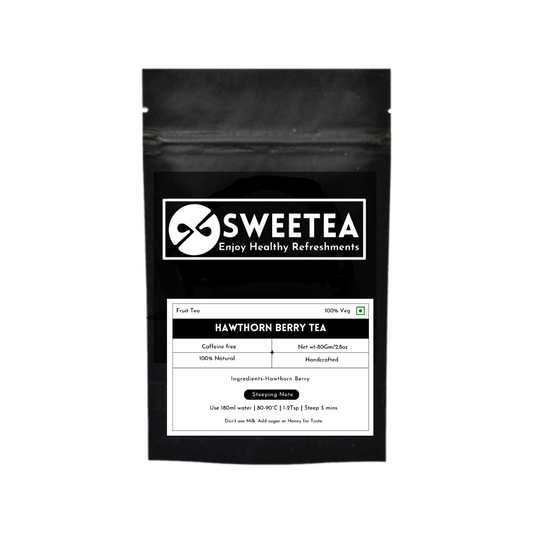
-Hawthorn berry
-Sea buckthorn
-Bael
-Kokum
-Apple
-Orange peel
-Lemon peel
-Pomegranate
-Cranberry
-Elderberry
-Goji berry
Many commercially flavoured fruit teas contain very little actual fruit. Consumers should check whether the flavour comes from real dried ingredients, extracts or added flavouring substances.
6. Bark and Stem Teas
Bark and stem materials are structurally hard and often need simmering.
Examples include:
-Cinnamon bark
-Arjuna bark
-Slippery elm bark
-Cherry stem
-Corn silk
-Giloy stem
The traditional use of bark or stems does not establish clinical effectiveness. Some may also have important contraindications.
7. Mushroom and Fungal Infusions
Examples include:
-Chaga
-Reishi
-Lion’s mane
-Cordyceps
These are not botanical herbs, but they are often included in the functional-beverage category.
Most mushroom research uses extracts with specific concentrations. A homemade infusion may not deliver the same compounds or dose. Chaga may also contain high oxalate levels and may be inappropriate for people susceptible to kidney stones.
8. Blended Herbal Teas
Blends combine several botanicals for flavour, aroma or a specific wellness positioning.
Common categories include:
-Bedtime tea
-Digestive tea
-Women’s wellness tea
-Monsoon herbal tea
-Caffeine-free morning tea
-Relaxation tea
-Throat-comfort tea
-Cooling summer tea
-After-meal tea
-Ayurvedic herbal blend
A longer ingredient list does not necessarily mean greater effectiveness. Complex formulas also make it harder to identify the ingredient responsible for an allergic reaction or side effect.
What Are the Benefits of Herbal Tea?
Herbal tea can provide real value without being presented as medicine.
Its most defensible general benefits include:
Hydration
An unsweetened herbal infusion contributes to daily fluid intake. This can be especially useful for people who dislike plain water.
A strongly diuretic or laxative blend should not be marketed as a superior hydration beverage.
Caffeine-Free Choice
Most pure herbal teas contain no caffeine. They can replace coffee, energy drinks or late-evening black tea for people who are caffeine-sensitive.
Exceptions include:
-Yerba mate
-Guayusa
-Kola nut
-Herbal blends containing green, black, white or oolong tea
-Products with added caffeine
Reduced Added Sugar
Replacing soft drinks, sweetened coffee or packaged fruit beverages with unsweetened herbal tea can reduce added-sugar intake.
The advantage disappears when large quantities of sugar, jaggery, honey or syrup are added.
A Relaxing Daily Ritual
Preparing and slowly drinking a warm beverage may create a pause in a stressful day. Aroma, warmth and mindful attention can contribute to perceived relaxation independently of any specific medicinal effect.
Plant Compounds
Herbs may contain polyphenols, flavonoids, volatile oils, pigments, tannins and other compounds. However, the actual quantity entering a cup depends on the plant, preparation, temperature, time and serving size.
The presence of an antioxidant in a laboratory test does not prove that the tea prevents disease in humans.
Herbal Tea Benefits: What Does Scientific Evidence Actually Show?
Research quality varies considerably. It is helpful to divide evidence into three levels.
Level 1: Human evidence involving the tea itself
This is the most directly relevant evidence.
Level 2: Human studies using extracts, capsules or essential oils
These findings may be promising but cannot automatically be applied to tea.
Level 3: Laboratory or animal research
These studies can identify possible mechanisms but do not prove a health outcome in humans.
This distinction is missing from many competing herbal-tea guides, which frequently combine test-tube, animal, extract and tea research as though they were equivalent.
Chamomile Tea and Sleep
Chamomile contains flavonoids, including apigenin, that may interact with pathways involved in relaxation.
A 2024 systematic review found that chamomile may improve certain sleep outcomes, particularly nighttime awakenings, although it did not consistently improve every measure of sleep. Chamomile sleep review
A reasonable conclusion is:
Chamomile may gently support sleep quality or relaxation for some people, but it is not a proven cure for chronic insomnia.
Persistent insomnia may result from sleep apnoea, anxiety, depression, medication, pain, thyroid disease or poor sleep scheduling and deserves proper assessment.
Hibiscus Tea and Blood Pressure
Hibiscus tea is made primarily from the dried calyces of Hibiscus sabdariffa. It has a tart flavour and contains anthocyanins and other polyphenols.
Several clinical trials and meta-analyses suggest that regular hibiscus consumption may modestly reduce blood pressure, particularly in people with elevated baseline readings. One meta-analysis reported reductions in both systolic and diastolic pressure, while also emphasising the need for better trials. Hibiscus meta-analysis
Hibiscus tea should not replace blood-pressure medicine. It may interact additively with antihypertensive treatment and could contribute to excessively low blood pressure in some individuals.
Ginger Tea and Nausea
Ginger has meaningful evidence for certain forms of nausea, but much of the research uses powders, capsules or standardised preparations rather than ordinary tea.
Ginger tea may provide warmth and digestive comfort, but its strength is difficult to standardise. Ginger can also cause heartburn, abdominal discomfort, diarrhoea or throat irritation. NCCIH ginger guidance
People with acid reflux should begin with a mild preparation rather than assuming strong ginger tea will improve digestion.
Peppermint Tea and Digestion
Peppermint is widely associated with digestive comfort. However, the strongest clinical evidence for irritable bowel syndrome concerns enteric-coated peppermint oil—not peppermint tea.
Peppermint tea appears safe for most adults in normal amounts, but long-term safety data for very high consumption are limited. NCCIH peppermint overview
Peppermint can relax smooth muscle, including the lower oesophageal sphincter. It may therefore aggravate heartburn or acid reflux in susceptible people.
A correct evidence-based statement is:
Peppermint tea may feel soothing after food for some consumers, but peppermint-oil research should not be used to guarantee that the tea treats IBS.
Turmeric Tea and Inflammation
Turmeric contains curcuminoids, including curcumin. Laboratory research has identified anti-inflammatory mechanisms, but curcumin has low water solubility and limited oral bioavailability.
A cup of turmeric tea is chemically different from a concentrated or specially formulated curcumin supplement.
NCCIH reports that evidence is insufficient to reach definitive conclusions for many promoted uses. Turmeric can also produce reflux, nausea, diarrhoea or stomach upset. NCCIH turmeric guidance
Turmeric tea can be enjoyed as a traditional spiced beverage, but claims that it cures arthritis, cancer, fatty liver or autoimmune disease are not justified.
Ashwagandha Tea for Stress and Sleep
Some standardised ashwagandha preparations have shown possible benefits for stress and insomnia. Evidence for anxiety and many other advertised applications remains unclear.
A lightly brewed root tea may not contain the same quantity or profile as a clinically studied extract. Ashwagandha can affect thyroid function, may enhance sedative effects and is unsuitable for some people with autoimmune or liver conditions. It should generally be avoided during pregnancy. NCCIH ashwagandha guide
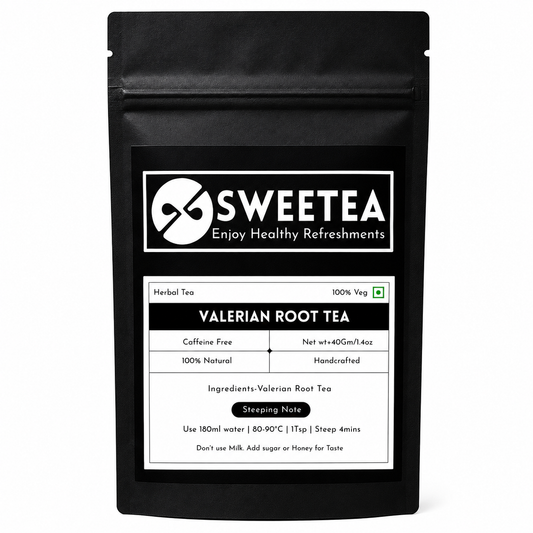
Valerian Root Tea and Sleep
Valerian is traditionally used for sleep and relaxation. Clinical evidence is inconsistent, and many studies use concentrated products rather than tea.
Valerian may produce drowsiness and should not be combined casually with alcohol, sleeping tablets or sedative medicines. It should not be consumed before driving or operating machinery.
Rooibos Tea
Rooibos is a naturally caffeine-free South African infusion prepared from Aspalathus linearis. It contains polyphenols and has a smooth, mildly sweet flavour.
Although rooibos is frequently promoted for heart health, diabetes, skin health and immunity, robust human clinical evidence remains limited. Its strongest practical advantages are:
-Naturally caffeine-free
-Low tannin compared with many true teas
-Pleasant without sugar
-Suitable hot or iced
-Easy to blend with spices or vanilla
Tulsi Tea
Tulsi is an important herb in Indian traditional practice. It is used in caffeine-free infusions and blended with green tea, ginger or spices.
Research on tulsi is promising but heterogeneous, involving different species, extracts, powders and doses. It is not scientifically appropriate to claim that every cup of tulsi tea “boosts immunity,” prevents infection or balances hormones.
Tulsi tea is best described as an aromatic traditional wellness infusion rather than a treatment.
Fennel, Cumin and Coriander Tea
These culinary seeds have long-standing use in food and digestive traditions. A warm infusion can offer flavour and a comfortable post-meal ritual.
Clinical evidence for the combined tea is limited. Its value should not be exaggerated into claims of:
-Permanent weight loss
-Removal of belly fat
-Hormonal correction
-Liver detoxification
-Treatment of chronic digestive disease
Herbal Tea Claims That Science Does Not Support
“Detoxifies the body”
The liver, kidneys, lungs, gastrointestinal tract and skin already process and eliminate metabolic waste.
A herbal tea may support hydration or bowel movement, but that does not mean it removes unspecified toxins. Laxative-induced diarrhoea and diuretic-induced water loss are not detoxification.
“Melts belly fat”
No herbal tea selectively burns abdominal fat. Replacing sugary beverages with unsweetened tea may support overall calorie reduction, but the tea does not directly melt fat.
“Cures diabetes”
Some botanicals may influence blood glucose, but herbal tea cannot replace diet, exercise, glucose monitoring or prescribed treatment. Combining glucose-lowering herbs with medication may cause hypoglycaemia.
“Balances every hormone”
Hormonal conditions differ. PCOS, thyroid disease, menopause, infertility and menstrual symptoms do not share one cause or one herbal solution.
“Boosts immunity instantly”
The immune system is a complex network, not a simple energy level that can be switched on by one drink. Excessive immune stimulation could also be undesirable in autoimmune disease.
“Prevents cancer”
Antioxidant or anticancer activity in a laboratory does not prove that drinking the tea prevents or treats cancer.
“Balances blood pH”
Food and beverages do not meaningfully reset blood pH in a healthy person. Blood pH is tightly regulated by the lungs, kidneys and buffering systems.
How to Brew Herbal Tea Correctly
Different plant parts require different extraction methods.
General Herbal Tea Brewing Chart
| Ingredient type | Suggested quantity | Water temperature | Brewing time | Method |
|---|---|---|---|---|
| Delicate flowers | 1–2 tsp per 250 ml | 85–95°C | 5–7 minutes | Covered infusion |
| Aromatic leaves | 1–2 tsp | 90–95°C | 5–8 minutes | Covered infusion |
| Seeds | 1 tsp, lightly crushed | 95–100°C | 8–10 minutes | Infuse or simmer briefly |
| Dried fruits | 1–2 tsp | 95–100°C | 8–12 minutes | Infusion |
| Soft roots | 1 tsp | 95–100°C | 8–12 minutes | Long infusion |
| Hard roots and bark | Follow product directions | Gentle simmer | 10–20 minutes | Decoction |
| Rooibos | 1–2 tsp | 95–100°C | 5–10 minutes | Infusion |
| Hibiscus | 1–2 tsp | 90–95°C | 5–8 minutes | Hot or cold infusion |
These are culinary guidelines, not medicinal dosages. Strong botanicals should be used according to qualified professional advice or reliable product directions.
Step-by-Step Brewing Method
-Use fresh, clean drinking water.
-Measure the herb rather than adding an unlimited handful.
-Lightly crush whole seeds when appropriate.
-Place the herbs inside a heat-safe vessel.
-Add water at the correct temperature.
-Cover aromatic leaves and flowers.
-Steep for the recommended time.
-Strain completely.
-Taste before adding sweetener.
-Begin with one cup when trying a new herb.
Why Herbal Tea Can Taste Bitter
Bitterness may result from:
-Excessive herb quantity
-Over-steeping
-Powdered rather than tea-cut material
-Very high water temperature
-Naturally bitter plant chemistry
-Poor-quality or old ingredients
-Incorrect plant part
-Too many bitter herbs in one blend
Healthy tea does not need to taste sweet. However, extreme bitterness may indicate incorrect brewing or an unsuitable quantity.
Can Herbal Tea Be Cold-Brewed?
Yes, some herbs can be cold-infused.
Cold brewing may create a lighter, less bitter flavour and preserve delicate aromas. It works particularly well with:
-Hibiscus
-Peppermint
-Fennel
-Coriander
-Rose
-Rooibos
-Vetiver
-Fruit blends
Use clean utensils, refrigerate during extraction and consume promptly. Cold brewing does not make an unsafe herb safe.
When Is the Best Time to Drink Herbal Tea?
Morning
Suitable choices may include:
-Tulsi
-Ginger
-Rooibos
-Moringa
-Mild spice infusions
-Caffeine-free fruit blends
Strong sour or spicy tea may irritate an empty stomach.
After Meals
Potential options include:
-Fennel
-Coriander
-Cumin
-Mild ginger
-Peppermint, if reflux is not present
Afternoon
Rooibos, hibiscus, fruit infusions and caffeine-free flower teas can replace sugary drinks.
Evening
Chamomile, lemon balm, lavender and mild valerian blends are commonly chosen for relaxation.
Avoid stimulating ingredients and blends containing green or black tea close to bedtime.
Empty Stomach
There is no universal scientific advantage to drinking herbal tea on an empty stomach.
Avoid fasting use if the beverage produces:
-Acidity
-Nausea
-Burning
-Dizziness
-Abdominal discomfort
-Loose stools
How Much Herbal Tea Can You Drink?
There is no universal safe number because “herbal tea” includes hundreds of different plants.
For a mild culinary herb, one or two cups may be a reasonable starting point for a healthy adult. This cannot be applied to strong medicinal roots, laxative herbs, sedating plants or complex formulas.
More cups do not necessarily mean more benefit.
Regular high-dose consumption increases the importance of:
-Correct botanical identity
-Contaminant testing
-Medicine interactions
-Liver and kidney health
-Pregnancy safety
-Cumulative exposure
Herbal Tea Safety and Side Effects
“Natural” describes origin, not safety.
Pregnancy and Breastfeeding
Evidence is insufficient for many medicinal herbs during pregnancy and lactation. A review of herbal medicinal products concluded that use should be discouraged when robust safety evidence is unavailable. Pregnancy safety review
Pregnant consumers should be particularly cautious with:
-Herbal detox blends
-Laxative teas
-Strong medicinal doses
-Ashwagandha
-Liquorice
-Mugwort
-Black or blue cohosh
-Dong quai
-Unverified multi-herb formulas
Children
Children are not small adults. Dosage, metabolism and safety differ. Do not give medicinal herbal teas regularly to a child without paediatric guidance.
Medicine Interactions
Herbs may alter:
-Blood clotting
-Blood pressure
-Blood glucose
-Sedation
-Thyroid function
-Liver-enzyme activity
-Medicine absorption
-Electrolyte levels
People taking regular medication should check each herb rather than asking whether “herbal tea” in general is safe.
Allergies
Chamomile may cross-react with plants in the daisy family. Spices, mint-family plants and other botanicals can also trigger allergies.
Stop use and seek urgent care for difficulty breathing, facial swelling, wheezing or a rapidly spreading rash.
Liver and Kidney Concerns
Concentrated extracts, contaminated ingredients and certain herbs may injure the liver or kidneys. High-oxalate products may be unsuitable for people prone to kidney stones.
Acid Reflux
Peppermint, strong ginger, turmeric, citrus peel and sour hibiscus may aggravate symptoms in some people.
Laxative and Diuretic Teas
Senna is a stimulant laxative, not an everyday detox ingredient. Excessive laxative or diuretic use may cause dehydration and electrolyte disturbance.
Liquorice
Glycyrrhizin-containing liquorice can raise blood pressure, reduce potassium and cause serious heart-related complications, especially with high or long-term intake. NCCIH liquorice safety guidance
How to Choose High-Quality Herbal Tea
1. Check the complete ingredient list
Avoid products that hide herbs behind vague descriptions such as “detox matrix” or “proprietary wellness blend.”
2. Look for botanical identity
Where safety or common-name confusion exists, the scientific name provides valuable clarity.
3. Check the plant part
Root, leaf, bark, fruit and seed can contain different compounds. “Dandelion tea” is incomplete if the label does not specify root or leaf.
4. Prefer visible ingredients
Tea-cut herbs allow the consumer to observe colour, cut size and consistency. Very fine powder can make identity and quality harder to evaluate.
5. Examine aroma and appearance
Good herbs should smell characteristic, not damp, musty or artificially perfumed.
6. Review brewing instructions
A company selling both delicate flowers and hard roots should not provide the same brewing instructions for every product.
7. Look beyond “organic”
Organic certification concerns agricultural production standards. It does not prove:
-Clinical effectiveness
-Correct dosage
-Absence of every contaminant
-Suitability during pregnancy
-Freedom from medicine interactions
-Superior taste
8. Evaluate testing and traceability
Depending on the ingredient and market, relevant quality controls may include:
-Microbial limits
-Heavy metals
-Pesticide residues
-Moisture
-Foreign matter
-Botanical identity
-Mycotoxins
-Adulteration
9. Avoid impossible promises
Be cautious when a product promises guaranteed weight loss, cancer prevention, diabetes reversal, kidney cleansing or permanent hormone balancing.
Loose Herbal Tea vs Tea Bags
| Factor | Loose herbal tea | Herbal tea bags |
|---|---|---|
| Ingredient visibility | Usually better | Often limited |
| Particle size | Larger tea-cut pieces possible | Commonly finer |
| Convenience | Requires an infuser | Very convenient |
| Expansion space | Better in a large infuser | May be restricted |
| Brewing control | Easy to adjust | Predetermined quantity |
| Packaging | Can use less material | Each bag adds packaging |
| Flavour | Often fuller | Depends on quality |
Tea bags are not automatically inferior, and loose tea is not automatically premium. Ingredient quality, freshness, cut size, storage and formulation matter more than format alone.
Comparing Herbal Tea Brands in India
Consumers frequently compare Sweetea with Organic India, Vahdam, Teabox, Blue Tea, TGL, Twinings and other herbal-tea brands.
No brand is universally best for every consumer. A useful comparison should examine:
| Buying factor | What to verify |
|---|---|
| Product specialisation | Does the brand focus on true tea, herbs or both? |
| Ingredient transparency | Are all ingredients clearly listed? |
| Botanical diversity | Are single-herb and specialised options available? |
| Product format | Loose tea, tea bags, powder or extract |
| Brewing guidance | Is the method adapted to the plant part? |
| Claims | Are wellness statements responsible? |
| Quality system | Are sourcing and testing practices explained? |
| Freshness | Is packaging designed to reduce moisture and aroma loss? |
| Value | Compare price per gram, not only pack price |
| Consumer need | Taste, caffeine, ingredient and safety suitability |
Sweetea’s point of difference
Sweetea can compete through specialisation rather than trying to imitate mass-market tea brands:
-Focus on herbal and wellness teas
-Wide range of single herbs
-Ayurvedic botanicals in practical tea-cut form
-Transparent ingredient presentation
-Brewing education based on the plant part
-Caffeine-free options
-No need to make every healthy herb taste artificially sweet
-Responsible safety information
-Backed by a biotechnologist
-Crafted since 2016
This creates a stronger long-term position than competing through exaggerated claims.
Frequently Asked Questions
Is herbal tea real tea?
Technically, herbal tea is a tisane because it does not normally come from Camellia sinensis. The phrase “herbal tea” remains widely accepted.
Is herbal tea caffeine-free?
Most pure herbal teas are caffeine-free. Check whether the blend contains green tea, black tea, white tea, oolong, yerba mate, guayusa or added caffeine.
What is the healthiest herbal tea?
There is no single healthiest tea. The best choice depends on your goal, medical history, medicines, taste and tolerance.
Can I drink herbal tea every day?
Some mild culinary infusions may be consumed regularly by healthy adults. Medicinal roots, laxatives, sedating herbs and complex blends require greater caution.
What herbal tea is best for sleep?
Chamomile is one of the better-studied options and may improve some sleep-quality measures. It does not cure chronic insomnia. Lemon balm and valerian are also used traditionally, but evidence varies.
What herbal tea is good for digestion?
Fennel, ginger, peppermint, cumin and coriander are traditionally used for digestive comfort. Peppermint may worsen reflux, while strong ginger may cause heartburn.
What is the best herbal tea for weight loss?
No herbal tea directly melts fat. Unsweetened tea may help when it replaces a calorie-rich beverage. Avoid laxative “slimming” teas.
Does herbal tea detox the liver?
No tea cleanses the liver. Some herbs are being investigated for liver-related effects, but a detox claim should not replace evidence-based liver care.
Is herbal tea safe during pregnancy?
Not every herbal tea is safe during pregnancy. Consult a qualified healthcare professional before regularly consuming medicinal herbs or blends.
Can herbal tea interact with medicine?
Yes. Herbs may interact with anticoagulants, diabetes medicine, blood-pressure treatment, thyroid medicine, sedatives and other drugs.
Can herbal tea cause acidity?
Yes. Peppermint, hibiscus, citrus, strong ginger and turmeric may aggravate reflux or stomach burning in sensitive individuals.
Can children drink herbal tea?
Do not give medicinal herbal tea regularly to children without guidance from a paediatric healthcare professional.
Can herbal tea be consumed on an empty stomach?
It can be if well tolerated, but fasting provides no universal added benefit. Consume it after food if you experience nausea, acidity or discomfort.
Is loose herbal tea better than tea bags?
Loose tea offers better ingredient visibility and brewing control. However, a high-quality tea bag can be better than poorly sourced loose herbs.
How long should herbal tea steep?
Leaves and flowers generally need 5–8 minutes. Seeds and fruits may need 8–12 minutes. Hard roots and bark may require a 10–20-minute decoction.
Conclusion
Herbal tea is not one medicine, one flavour or one wellness solution. It is an enormous category containing gentle culinary leaves, aromatic flowers, nutrient-rich fruits, concentrated roots, active barks, spices and complex traditional formulations.
The most important questions are not simply, “Is herbal tea healthy?” They are:
-Which herb is being used?
-Which plant part is included?
-How has it been prepared?
-What quantity is consumed?
-Is the evidence based on tea or a concentrated extract?
-Is it suitable for the individual?
-Could it interact with a medicine?
-Is the product correctly identified and responsibly sourced?
Used thoughtfully, herbal tea can provide hydration, flavour, cultural connection, a caffeine-free alternative and a meaningful daily wellness ritual.
It should complement a balanced lifestyle—not replace medical care or be promoted as a miracle cure.
At Sweetea, the future of herbal wellness is built around a simple principle: respect the herb, preserve its natural character, brew it correctly and communicate its value honestly.
Medical disclaimer: This article is for education and general wellness information. It does not diagnose, prevent or treat disease. Traditional use and laboratory research do not necessarily establish clinical effectiveness. Consult a qualified healthcare professional before using medicinal herbs during pregnancy, breastfeeding, childhood, chronic illness or prescription treatment.