The Ultimate Guide to Herbal Teas for Better Sleep: Scientific Evidence, Natural Remedies, and the Best Bedtime Teas for Deep, Restful Sleep
Why Quality Sleep Is One of the Most Important Foundations of Good Health
Sleep is not simply a time when the body rests—it is one of the most important biological processes for maintaining physical health, mental well-being, and overall quality of life. Every night, while you sleep, your body repairs tissues, strengthens the immune system, regulates hormones, consolidates memories, supports brain function, and restores energy for the day ahead.
Despite its importance, getting enough high-quality sleep has become increasingly difficult in today's fast-paced world. Long working hours, digital screens, stress, irregular schedules, caffeine consumption, and modern lifestyles have contributed to a growing global sleep crisis.
Millions of people spend their nights lying awake, tossing and turning instead of enjoying deep, restorative sleep. If you've ever struggled to fall asleep, awakened several times during the night, or felt exhausted despite spending eight hours in bed, you understand how frustrating poor sleep can be. Instead of waking refreshed and energised, many people begin each day feeling tired, unfocused, and mentally drained.
Sleep deprivation affects far more than energy levels. Research has shown that inadequate or poor-quality sleep may influence concentration, memory, mood, productivity, immune function, metabolism, and long-term health. Even a few nights of disrupted sleep can reduce alertness and affect daily performance.

The Global Burden of Insomnia
Sleep disorders are among the most common health concerns worldwide.
According to the American Academy of Sleep Medicine, approximately 30–35% of adults experience symptoms of insomnia, while 10–15% experience chronic insomnia, making it one of the most prevalent sleep disorders globally.
The World Health Organisation (WHO) also recognises that sleep disturbances are becoming increasingly common as urbanisation, stress, and changing lifestyles continue to affect populations around the world.
Common symptoms include:
-Difficulty falling asleep
-Frequent waking during the night
-Waking too early
-Feeling unrefreshed after sleep
-Daytime fatigue
-Reduced concentration
-Irritability
-Poor productivity
Although prescription medications can be appropriate in certain situations under medical supervision, many people are looking for gentle, natural ways to support healthy sleep without relying on long-term medication.
Why Herbal Teas Have Been Used for Centuries
Long before modern sleep medicine existed, cultures across Europe, Asia, Africa, and the Middle East relied on medicinal plants to encourage relaxation before bedtime.
Herbal teas remain one of the simplest and most enjoyable ways to include these traditional herbs in a nightly routine.
Unlike coffee, black tea, or energy drinks, many herbal teas are naturally caffeine-free, making them ideal for evening consumption.
Beyond the herbs themselves, the act of preparing a warm cup of tea can become a calming ritual. Slowing down, switching off digital devices, and enjoying a soothing herbal infusion may help signal to your body that it is time to relax.
Today, scientists continue to study many traditional herbs to better understand how they may support sleep quality, relaxation, and stress management.
While herbal teas are not cures for insomnia and should not replace medical care when needed, growing scientific research suggests that some herbs may complement healthy sleep habits as part of a balanced lifestyle.
The Science Behind Herbal Teas and Sleep
Many herbs traditionally used before bedtime contain naturally occurring plant compounds that researchers believe may influence the nervous system.
Some compounds are being studied for their ability to interact with neurotransmitters such as gamma-aminobutyric acid (GABA), which plays an important role in calming brain activity. Others are being investigated for their antioxidant, anti-inflammatory, or stress-supporting properties that may indirectly contribute to better sleep.
Responses vary between individuals, and no single herb works the same for everyone. However, several herbal teas have shown promising results in scientific studies evaluating subjective sleep quality, relaxation, or stress reduction.
The 11 Best Herbal Teas for Better Sleep
If you're looking for a natural bedtime beverage, these herbal teas are among the most popular and widely studied options:
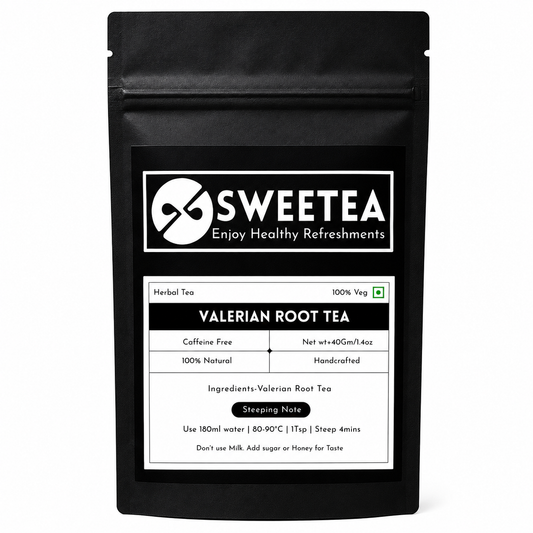
1. Valerian Root Tea
Often called nature's traditional sleep herb, valerian root has been used for more than 2,000 years. Modern research suggests its naturally occurring compounds, including valerenic acids, may interact with GABA receptors involved in relaxation and sleep regulation.
2. Chamomile Tea
One of the world's most popular bedtime teas, chamomile contains apigenin, a flavonoid that has been studied for its calming properties and potential to improve sleep quality.
3. Lavender Tea
Known for its soothing aroma and floral flavour, lavender has been investigated for its ability to promote relaxation and support a calming bedtime routine.
4. Lemon Balm Tea
Traditionally used to reduce nervousness and encourage relaxation, lemon balm has shown promise in studies evaluating stress reduction and sleep quality.
5. Passionflower Tea
Passionflower has been researched for its calming effects and potential support for healthy sleep, particularly when combined with other herbs.
6. Magnolia Bark Tea
Magnolia bark contains natural compounds such as honokiol and magnolol, which are being studied for their calming and relaxation-supporting properties.
7. Rooibos Tea
Naturally caffeine-free and rich in antioxidants, rooibos is a comforting evening tea that supports relaxation without stimulating the nervous system.
8. Jasmine Tea
When naturally caffeine-free herbal jasmine blends are used, their floral aroma may contribute to a relaxing bedtime experience.
9. Peppermint Tea
Although peppermint is not considered a sleep herb, its soothing digestive properties may help people who find discomfort interferes with restful sleep.
10. St. John's Wort Tea
Traditionally used for mood support, St. John's Wort has important medication interactions and should only be used after consulting a healthcare professional.
11. Turmeric and Ginger Tea
These warming herbs are valued for their antioxidant and anti-inflammatory properties and can make a comforting evening beverage as part of a healthy lifestyle.
What You'll Learn in This Complete Guide
In this comprehensive article, you'll discover:
-Why modern lifestyles are reducing sleep quality.
-The science behind herbal teas for relaxation.
-Clinical evidence supporting traditional sleep herbs.
-Which bedtime tea may suit your lifestyle.
-How to create an effective evening tea ritual.
-Common myths about herbal sleep remedies.
-Safety considerations and who should avoid certain herbs.
-Expert tips for improving sleep naturally.
-How to choose high-quality herbal teas for your nightly routine.
Whether you're searching for the best herbal tea for sleep, natural remedies for insomnia, caffeine-free bedtime drinks, or science-backed wellness teas, this guide will help you understand what current research says—and how to build healthier evening habits that support better rest.