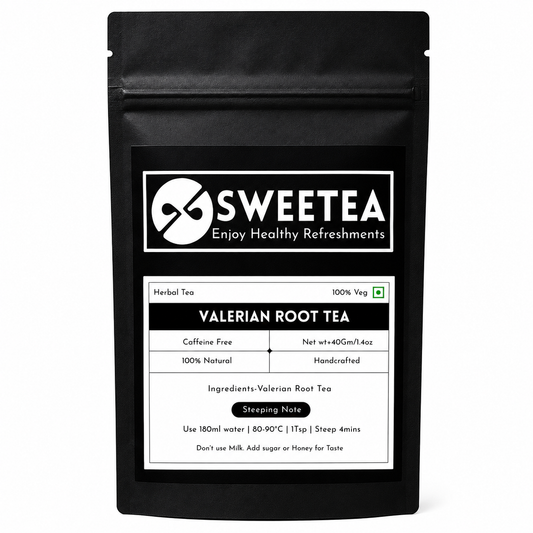
Valerian Root Tea: The Science Behind Nature's Most Trusted Sleep Herb — How One Ancient Root Helps Calm the Mind, Improve Sleep Quality, and Support Restorative Nights

Introduction: Why Millions Struggle to Sleep
After a long day, most people look forward to a peaceful night's sleep. Yet for millions around the world, falling asleep is easier to imagine than to experience. Stress, demanding work schedules, excessive screen time, irregular sleep habits, caffeine consumption, and modern lifestyles have contributed to an increasing number of people experiencing poor sleep quality. Many wake up feeling tired despite spending enough hours in bed, while others struggle to fall asleep or wake frequently during the night.
Quality sleep is far more than simply closing your eyes. During sleep, your body repairs tissues, strengthens the immune system, consolidates memories, regulates hormones, and restores physical and mental energy. When sleep quality declines, concentration, mood, productivity, metabolism, and overall well-being can also be affected.
As awareness of healthy living grows, many people are looking for gentle, plant-based ways to support relaxation before bedtime. Among the many traditional herbs used for centuries, Valerian Root has earned a reputation as one of nature's best-known calming herbs.
Today, valerian root is available in capsules, extracts, tinctures, and herbal teas. Among these options, Valerian Root Tea offers a comforting bedtime ritual while delivering naturally occurring plant compounds that researchers have studied for their calming properties.
But an important question remains:
Does Valerian Root Tea actually work?
Does scientific evidence support its reputation, or is it simply a traditional remedy passed down through generations?
This comprehensive guide explores what modern research tells us about valerian root, how it may support relaxation and sleep, what scientists currently know about its active compounds, and how you can incorporate it into a healthy bedtime routine. Along the way, we'll distinguish between traditional uses and findings from clinical research so you can make informed decisions.
Understanding Valerian Root
Valerian root comes from Valeriana officinalis, a flowering perennial plant native to Europe and parts of Asia that is now cultivated in many regions around the world. While the plant produces delicate white or pale pink flowers, the underground root is the part traditionally harvested for herbal use.
Historical records suggest valerian has been used for more than 2,000 years. Ancient Greek and Roman physicians described it as a calming herb, and it later became part of traditional European herbal medicine. Across generations, people prepared valerian as teas, decoctions, and tinctures to promote relaxation and restful sleep.
Modern herbalists continue to value valerian because it is naturally caffeine-free and fits well into an evening wellness routine. Rather than acting as a conventional sleeping medication, valerian is thought to support the body's natural relaxation processes through interactions with the nervous system.
Why Scientists Became Interested in Valerian
Interest in valerian increased as researchers searched for natural ways to improve sleep without the dependency risks associated with some prescription sleep medications.
Scientists began investigating several naturally occurring compounds in valerian root, including:

-Valerenic acids
-Valepotriates
-Essential oils
-Flavonoids
-Lignans
-GABA-related compounds
Among these, valerenic acid has received the greatest scientific attention because laboratory studies suggest it may interact with receptors involved in calming brain activity.
Researchers continue to study how these compounds work individually and together. Like many medicinal herbs, valerian contains a complex mixture of bioactive molecules, meaning its effects may result from the combined action of multiple constituents rather than a single ingredient.
How Valerian Root May Support Better Sleep
The human brain relies on chemical messengers called neurotransmitters to regulate alertness, mood, and sleep. One of the most important calming neurotransmitters is gamma-aminobutyric acid (GABA).
GABA acts as the brain's natural "brake pedal." When GABA activity increases, nerve cells become less excitable, helping the body transition from alertness to relaxation.
Laboratory studies suggest that compounds found in valerian root may interact with GABA receptors, potentially supporting this calming process. Researchers believe this interaction could explain why many people report feeling more relaxed after drinking valerian tea or taking valerian supplements.
Current evidence suggests valerian may be more helpful for supporting relaxation and sleep quality than for causing immediate drowsiness. In other words, it appears to encourage the body's natural sleep process rather than forcing sleep.
Because of this, valerian is often consumed 30 to 60 minutes before bedtime as part of a calming evening routine.
What Does Science Say About Valerian Root Tea?
Scientific Evidence: Does Valerian Root Tea Really Improve Sleep?
For centuries, valerian root has been used in traditional herbal medicine to promote relaxation and restful sleep. However, modern consumers increasingly want more than tradition—they want evidence. Researchers have therefore spent decades studying valerian root to understand whether its reputation is supported by scientific research.
The findings are encouraging but nuanced. While valerian root is not considered a "miracle cure" for insomnia, many studies suggest it may help improve sleep quality in some individuals, particularly when used consistently as part of a healthy bedtime routine.
Understanding Sleep Quality
Many people think that sleeping longer automatically means sleeping better. In reality, sleep quality is influenced by several factors, including:
-How quickly you fall asleep (sleep latency)
-How often do you wake during the night
-How deeply you sleep
-How refreshed do you feel in the morning
-The consistency of your sleep cycle
A person who sleeps for eight hours but wakes frequently may feel less rested than someone who sleeps seven uninterrupted hours.
Researchers, therefore, evaluate sleep using multiple measurements rather than simply counting total hours slept.
Human Clinical Studies
Over the past few decades, numerous clinical trials have investigated valerian root. While study designs vary, several have reported positive effects on sleep.
Some participants experienced:
-Falling asleep more quickly
-Better perceived sleep quality
-Reduced nighttime awakenings
-Feeling more refreshed after waking
-Improved overall sleep satisfaction
Not every study found significant improvements, however. Differences in dosage, preparation methods, participant age, study duration, and the severity of sleep problems likely contributed to the varying results.
This is why scientists generally conclude that valerian root shows promising potential, but more large, high-quality studies are needed to fully understand who benefits the most and under what conditions.
What Systematic Reviews Tell Us
Individual studies can produce conflicting results. To obtain a clearer picture, researchers often conduct systematic reviews and meta-analyses, which combine findings from multiple clinical trials.
Several reviews have concluded that valerian root appears to be:
-Generally well tolerated
-Safe for most healthy adults when used appropriately
-Potentially beneficial for subjective sleep quality
-More effective when used consistently rather than occasionally
Importantly, improvements are often reported by participants themselves rather than through every objective laboratory measurement. This suggests that while valerian may not dramatically change every measurable aspect of sleep, many people genuinely feel they sleep better when incorporating it into their nightly routine.
How Does Valerian Root Work in the Brain?
Although research is still evolving, scientists have proposed several mechanisms that may explain valerian's calming effects.
1. Supporting GABA Activity
The leading theory involves gamma-aminobutyric acid (GABA), the brain's primary inhibitory neurotransmitter.
When GABA activity increases, brain cells become less active, helping reduce mental overactivity and encouraging relaxation.
Laboratory research suggests that compounds such as valerenic acid may interact with GABA receptors, potentially supporting this natural calming pathway.
Rather than "switching off" the brain, valerian appears to encourage a smoother transition from wakefulness to rest.
2. Influencing Multiple Neurotransmitters
Scientists also believe valerian may interact with other signalling pathways involved in mood and sleep regulation, including:
-Serotonin
-Adenosine
-Glutamate
These interactions remain an active area of research, but they highlight the complexity of herbal medicines, which often contain dozens of naturally occurring compounds working together.
3. Reducing Mental Restlessness
One of the most common reasons people struggle to sleep is an overactive mind.
Many individuals report lying in bed while repeatedly thinking about work, family responsibilities, finances, or the events of the day.
Although valerian should not be viewed as a treatment for anxiety disorders, its calming properties may help reduce the sense of mental restlessness that can delay sleep onset in some people.
Why Tea May Be an Ideal Way to Enjoy Valerian Root
Valerian root is available in several forms, including capsules, tablets, extracts, tinctures, and teas.
For many people, herbal tea offers unique advantages.
A Relaxing Bedtime Ritual
Preparing tea naturally encourages slowing down. Heating water, allowing the herbs to steep, and sipping a warm cup without distractions creates a calming transition between the day's activities and bedtime.
Research on sleep hygiene consistently emphasises the importance of establishing relaxing evening routines, and drinking caffeine-free herbal tea can become a meaningful part of that habit.
Hydration Without Caffeine
Unlike coffee, black tea, or energy drinks, valerian root tea is naturally caffeine-free.
This makes it suitable for evening consumption without introducing stimulants that may interfere with sleep.
A Whole-Herb Experience
Herbal teas provide an infusion of naturally occurring plant compounds in a traditional form that has been used for generations. While the exact concentration of active constituents can vary depending on preparation and quality, many people appreciate tea as a gentle and enjoyable way to include herbs in their wellness routine.
How Long Does It Take to Notice Benefits?
One of the most common questions is whether valerian works immediately.
The answer varies from person to person.
Some individuals report feeling more relaxed after their first few cups, while others notice improvements only after using valerian consistently for several days or weeks.
Unlike conventional sleep medications, valerian is generally not intended to produce immediate sedation. Instead, it may gradually support healthier sleep patterns when combined with good sleep hygiene.
Consistency, quality sleep habits, and realistic expectations are all important.
Sleep Hygiene: The Foundation of Better Rest
Even the highest-quality herbal tea cannot compensate for habits that consistently interfere with sleep.
To support restful nights:
-Maintain a consistent bedtime and wake-up time.
-Reduce screen exposure during the hour before bed.
-Keep your bedroom cool, quiet, and dark.
-Avoid large meals and excessive caffeine late in the evening.
-Limit alcohol close to bedtime.
-Practice relaxation techniques such as reading, gentle stretching, or meditation.
-Consider enjoying a warm cup of Valerian Root Tea 30–60 minutes before bed as part of your nightly ritual.
Healthy sleep is the result of many small habits working together, and valerian tea may serve as one supportive element within that broader lifestyle.
Valerian Root Tea Compared with Other Popular Sleep Herbs
Not all herbal teas support sleep in the same way. Some herbs are traditionally valued for calming the mind, while others may help the body relax or support a healthy stress response. Understanding these differences can help you choose the herbal tea that best fits your needs.
Although many bedtime teas combine several herbs, valerian root remains one of the most extensively researched herbs for supporting sleep.
Valerian Root Tea vs Chamomile Tea
Chamomile and valerian are often mentioned together because both are caffeine-free and commonly enjoyed before bedtime. However, they work in different ways.
Chamomile Tea
Chamomile has been used for centuries as a gentle herbal infusion. It contains natural compounds such as apigenin, a flavonoid that may interact with receptors involved in relaxation.
Chamomile is often chosen by people who want:
-A mild, floral bedtime tea
-Relaxation after a stressful day
-A gentle evening ritual
-Daily wellness support
Scientific studies suggest chamomile may improve subjective sleep quality in some individuals, although results vary.
Valerian Root Tea
Valerian root contains different naturally occurring compounds, including valerenic acids, which researchers believe may interact with GABA receptors involved in calming brain activity.
Compared with chamomile, valerian is generally regarded as the stronger traditional sleep-support herb.
Many people choose valerian when they experience:
-Difficulty falling asleep
-Restless evenings
-Busy or racing thoughts
-Inconsistent sleep quality
Rather than competing with one another, chamomile and valerian are often complementary. Many bedtime tea blends combine both herbs to provide a balanced evening infusion.
Valerian Root Tea vs Lemon Balm Tea
Lemon balm (Melissa officinalis) is another traditional herb frequently included in bedtime teas.
It is appreciated for its refreshing citrus aroma and has been studied for its calming effects.
Research suggests lemon balm may help:
-Promote relaxation
-Support mood
-Reduce occasional nervousness
-Improve sleep quality when combined with other herbs
Interestingly, several clinical studies have examined valerian and lemon balm together. Some findings suggest the combination may provide greater benefits than either herb alone for certain individuals.
This illustrates an important principle in herbal medicine: combinations of herbs may work together through complementary mechanisms.
Valerian Root Tea vs Lavender Tea
Lavender is widely recognised for its soothing fragrance.
Unlike valerian, lavender is often used through aromatherapy as well as herbal infusions.
Studies suggest lavender aroma may:
-Promote relaxation
-Improve sleep satisfaction
-Reduce perceived stress
-Enhance bedtime routines
Lavender tea offers a pleasant floral taste, while valerian root has a much earthier aroma and flavour.
Some people prefer blending valerian with lavender to create a more balanced sensory experience.
Valerian Root Tea vs Passionflower Tea
Passionflower is another traditional calming herb.
Researchers believe passionflower may influence GABA signalling, similar to valerian, although through different pathways.
Studies have investigated passionflower for:
-Mild nervousness
-Relaxation
-Sleep quality
Many herbal sleep formulas include both valerian and passionflower because they may complement each other.
Valerian Root Tea vs Ashwagandha
Ashwagandha is different from valerian.
Rather than being known primarily as a bedtime herb, ashwagandha is considered an adaptogenic herb traditionally used to help the body respond to stress.
Research suggests ashwagandha may:
-Support healthy stress responses
-Improve perceived well-being
-Support sleep in people experiencing stress
Valerian focuses more directly on bedtime relaxation, whereas ashwagandha is often incorporated into broader daily wellness routines.
Can Valerian Root Tea Help During Stressful Periods?
Many people notice that sleep becomes more difficult during periods of increased stress.
Work deadlines, examinations, travel, parenting responsibilities, or major life events can all make it harder to unwind.
Although valerian root should not be viewed as a treatment for anxiety disorders, some studies suggest that its calming properties may help support relaxation during temporary periods of stress.
This may explain why valerian has remained popular for generations as an evening herbal tea.
Creating the Perfect Bedtime Routine
Improving sleep is rarely about one single habit.
Researchers consistently emphasise that healthy sleep results from a combination of lifestyle choices.
A simple bedtime routine could include:
60 Minutes Before Bed
-Finish work-related tasks.
-Reduce exposure to bright screens.
-Dim household lighting.
-Avoid stimulating conversations or intense exercise.
45 Minutes Before Bed
Prepare a cup of caffeine-free Valerian Root Tea.
Allow the herbs to steep properly so the infusion develops its natural aroma and flavour.
Take this time to slow down rather than rushing through the evening.
30 Minutes Before Bed
Choose calming activities such as:
-Reading a book
-Gentle stretching
-Journaling
-Meditation
-Deep breathing exercises
-Listening to relaxing music
Bedtime
Keep your bedroom:
-Cool
-Quiet
-Dark
-Comfortable
Maintaining the same bedtime each night helps reinforce your body's internal clock.
Is Valerian Root Tea Safe?
For most healthy adults, valerian root has been studied as a generally well-tolerated herbal ingredient when consumed appropriately.
However, herbal products are not suitable for everyone.
Possible mild side effects reported in some people include:
-Morning drowsiness
-Headache
-Mild digestive discomfort
-Vivid dreams
-Dizziness
These effects appear to be uncommon and often depend on dosage and individual sensitivity.
Who Should Speak with a Healthcare Professional First?
Valerian root may not be appropriate for everyone.
Consult a healthcare professional before using valerian if you:
-Are you pregnant or breastfeeding?
-Have chronic liver disease.
-Take prescription sleep medications.
-Use sedatives or anti-anxiety medications.
-Have a medical condition requiring ongoing treatment.
-Are you planning surgery, as valerian may interact with certain anaesthetic medications?
Herbal teas can be a valuable part of a healthy lifestyle, but they should not replace professional medical care or prescribed treatments.
Frequently Asked Questions
Can I drink Valerian Root Tea every night?
Many people enjoy valerian tea regularly as part of a bedtime routine. If you plan to use it for an extended period or have existing medical conditions, consult a healthcare professional for personalised advice.
Does Valerian Root Tea work immediately?
Some individuals feel more relaxed after the first few servings, while others notice benefits only after consistent use over several days or weeks. Responses vary from person to person.
Is Valerian Root Tea addictive?
Current evidence does not indicate that valerian root causes dependence in the way certain prescription sleep medications can. However, it should still be used responsibly and according to product directions.
Can I combine Valerian Root Tea with chamomile?
Many traditional herbal bedtime blends include both herbs. They are often considered complementary, although individual responses may vary.
Can I drink Valerian Root Tea during the day?
Because valerian may promote relaxation, many people prefer consuming it in the evening or before bedtime rather than before activities requiring full alertness, such as driving or operating machinery.
Choosing Quality Valerian Root Tea, Common Myths, Brewing Tips, and Your Path to Better Sleep
Not All Valerian Root Tea Is Created Equal
As herbal teas become more popular, consumers have more choices than ever before. However, the quality of valerian root tea can vary significantly depending on how the herb is grown, harvested, processed, and stored.
The effectiveness and flavour of an herbal tea begin long before it reaches your cup. Factors such as soil quality, harvesting time, drying methods, and packaging all influence the final product.
When selecting a valerian root tea, consider the following:
1. Look for Pure Ingredients
Choose teas made with 100% valerian root or thoughtfully crafted herbal blends. Avoid products containing unnecessary artificial flavours, colours, or preservatives if you prefer a more natural herbal experience.
2. Check the Ingredient List
A quality herbal tea should clearly list every ingredient. Transparent labelling helps you understand exactly what you're drinking and makes it easier to avoid ingredients you may not want.
3. Choose Properly Dried Herbs
Drying is an important step in preserving the plant's natural aroma and beneficial compounds. Herbs that are improperly dried may lose quality over time.
4. Freshness Matters
Like culinary herbs and spices, herbal teas gradually lose their aroma and flavour during storage. Buying from brands that package their products carefully and encourage proper storage can help maintain freshness.
Understanding the Flavour of Valerian Root Tea
One of the biggest surprises for first-time drinkers is valerian's distinctive aroma.
Unlike floral teas such as chamomile or lavender, valerian root has an earthy, woody scent that some people describe as strong or unusual. This aroma comes naturally from the root and is not an indication of poor quality.
If you're new to valerian tea, you can make the experience more enjoyable by pairing it with naturally complementary herbs such as:
-Chamomile
-Lemon balm
-Peppermint
-Lavender
-Cinnamon
-Fennel
These herbs can soften the flavour while creating a pleasant evening tea blend.
How to Brew Valerian Root Tea
Preparing valerian root tea correctly helps you enjoy its natural aroma and flavour.
Ingredients
-1–2 teaspoons of dried valerian root tea
-About 180–200 ml of hot water (80–90°C)
Brewing Steps
1. Place the tea into a teapot, infuser, or cup.
2. Pour hot water over the herbs.
3. Cover the cup while steeping to help retain the aromatic compounds.
4. Steep for about 5–10 minutes, depending on your preferred strength.
5. Strain and enjoy approximately 30–60 minutes before bedtime.
Because valerian is naturally caffeine-free, it fits well into an evening wellness routine.
Common Myths About Valerian Root Tea
Myth 1: "Valerian tea works like a sleeping pill."
Fact: Valerian root is not a prescription sleep medication. Current research suggests it may support relaxation and sleep quality in some people, but it does not act like a fast-acting sedative.
Myth 2: "More valerian means better sleep."
Fact: More is not always better. Follow the serving instructions provided on the product label or the guidance of a healthcare professional. Excessive intake is unlikely to improve results and may increase the chance of unwanted effects.
Myth 3: "Herbal teas are completely risk-free."
Fact: Although many herbal teas are generally well tolerated, natural products can still interact with medications or may not be appropriate for everyone. Always use herbal products responsibly.
Myth 4: "One cup will solve chronic sleep problems."
Fact: Sleep is influenced by many factors, including stress, lifestyle, diet, medical conditions, and sleep habits. Herbal tea is best viewed as one supportive element within a healthy bedtime routine.
The Future of Sleep Research
Interest in plant-based wellness continues to grow, and researchers are exploring how traditional herbs such as valerian may contribute to healthy sleep.
Future studies are expected to investigate:
-Which groups of people benefit the most.
-Optimal serving amounts and preparation methods.
-How valerian interacts with other calming herbs.
-Long-term safety and effectiveness.
-The role of herbal tea as part of comprehensive sleep hygiene.
As research evolves, consumers can make informed choices by relying on evidence-based information rather than exaggerated claims.
Why Quality and Transparency Matter
At Sweetea, we believe herbal tea should be both enjoyable and trustworthy.
Our approach is guided by a few simple principles:
-Carefully selected herbal ingredients.
-No unnecessary artificial additives.
-Tea-cut herbs for convenient brewing.
-A focus on quality, transparency, and everyday wellness.
-Respect for traditional herbal knowledge while acknowledging modern scientific research.
We believe that herbal teas should support healthy daily habits—not promise unrealistic results.
Building a Better Bedtime Routine
Improving sleep often starts with small, consistent changes.
Consider creating a relaxing evening ritual that includes:
-Turning off digital devices before bed.
-Keeping a consistent sleep schedule.
-Limiting caffeine later in the day.
-Reading or practising mindfulness.
-Enjoying a warm cup of caffeine-free Valerian Root Tea as part of your nightly wind-down.
These habits work together to support a more restful night.
Final Thoughts
Sleep is one of the foundations of good health. While there is no single solution for everyone, valerian root has earned its place as one of the world's most respected traditional herbs for relaxation and sleep support.
Scientific research suggests that valerian root may help improve subjective sleep quality and promote relaxation in some individuals, particularly when combined with healthy sleep habits. Although more research is still needed to fully understand its effects, current evidence supports its long history of traditional use.
Choosing a high-quality herbal tea, maintaining realistic expectations, and following a consistent bedtime routine can all contribute to better nights and more energised mornings.
At Sweetea, we believe wellness begins with simple daily rituals. A warm cup of carefully crafted herbal tea is more than a beverage—it is a moment to pause, unwind, and prepare your body and mind for restorative rest.
Whether you are just beginning your wellness journey or refining an existing bedtime routine, Valerian Root Tea can become a comforting part of your evening, helping you slow down, reconnect with nature, and prioritise quality sleep.
Because every better tomorrow begins with a better night's sleep.
Conclusion
If you're searching for a natural sleep tea, caffeine-free bedtime tea, or a traditional herbal tea for relaxation, Valerian Root Tea is one of the most researched herbal options available. Combined with good sleep hygiene and a healthy lifestyle, it can be a valuable addition to your nightly wellness routine.
Explore Sweetea's carefully selected herbal teas and discover how simple, honest ingredients can help you create a calming bedtime ritual—one cup at a time.
Disclaimer
This article is intended for educational purposes only and should not be considered medical advice. Valerian Root Tea is not intended to diagnose, treat, cure, or prevent any disease. If you have a medical condition, are pregnant or breastfeeding, or are taking medications, consult a qualified healthcare professional before using herbal products.