Why Herbal & Wellness Tea Costs More
The Honest Answer from Sweetea
At Sweetea, we believe customers deserve honesty — not just marketing words.
Many people ask this question because tea looks “simple” — just leaves, herbs, flowers, or roots. But the real cost is not only the ingredient itself. The price comes from farming, processing, quality, labor, and purity.
“Why does herbal tea or organic tea cost more than regular tea?”
The answer is simple:
Because real ingredients, clean farming, and honest quality are never the cheapest shortcuts.
Rare and Slow-Growing Ingredients
Many wellness teas use ingredients like:
- Dandelion Root
- Burdock Root
- Chamomile
- Rhododendron
- Lemon Balm
These are not mass-produced like regular sugar drinks or flavored powders.
Some take months to grow and need careful harvesting.
A tea may contain:
- flowers
- roots
- bark
- leaves
- spices
Each ingredient has separate sourcing and cleaning costs.
Many commercial drinks use:
- artificial taste enhancers
- synthetic flavoring
- color additives
- low-grade tea dust
But wellness tea is different.
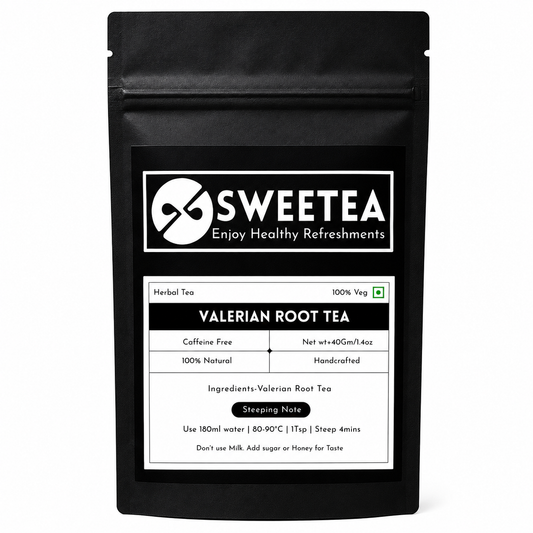
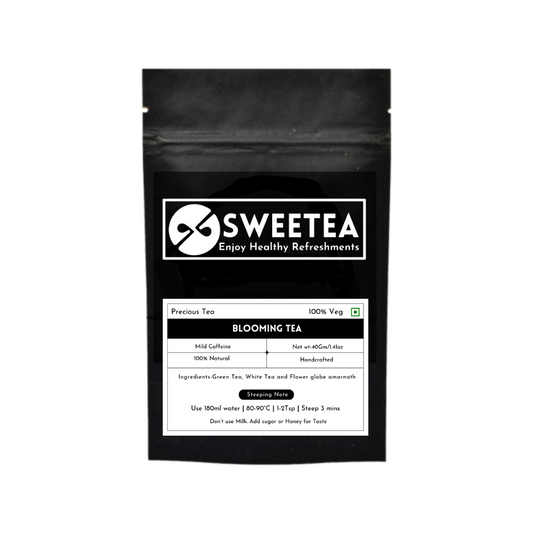
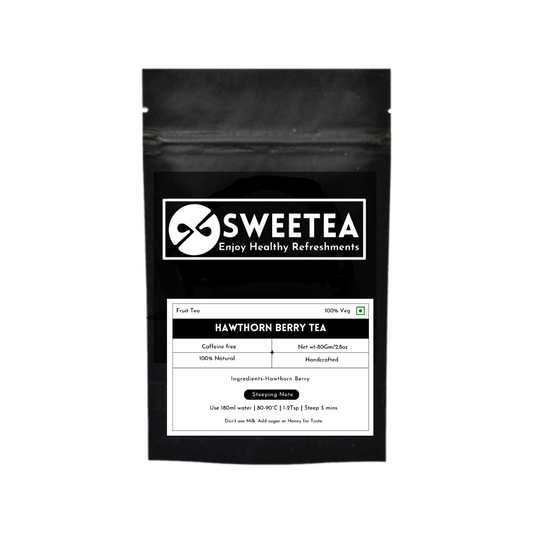
At Sweetea, herbal teas are made using naturally valued herbs, flowers, roots, spices, and tea leaves chosen for their traditional wellness value.
Real ingredients naturally cost more than artificial alternatives.
Climate Change Is Affecting Tea Production
One of the biggest reasons for rising tea prices is climate change.
Tea and herbal ingredients depend heavily on:
- seasonal rain
- temperature balance
- soil health
- natural growing cycles
Today, farmers face:
- irregular rainfall
- extreme heat
- floods
- drought conditions
- changing harvest seasons
This directly reduces crop quality and production volume.
When nature changes, farming becomes harder and more expensive.
Tea and herbal ingredients are not fully machine-made products.
Many herbs still require:
- hand picking
- careful sorting
- traditional drying
- quality handling
Especially in remote farming regions, skilled labour availability is decreasing.
Many workers move away from agricultural areas because:
- income is low
- work is physically demanding
- rural opportunities are limited
This creates a shortage of experienced workers who know how to properly handle herbs and tea leaves.
Many wellness herbs grow in:
- hills
- forest regions
- remote villages
- mountain areas
Transporting ingredients from these locations requires:
- more logistics
- careful storage
- longer travel
- higher handling costs
Sometimes ingredients travel through multiple small farms before reaching production.
Organic farming avoids:
- chemical fertilizers
- artificial pesticides
- growth boosters
This protects nature and purity — but production becomes slower and smaller.
Organic farms often produce lower harvests compared to commercial farming.
That is one reason organic tea can cost almost double.
Healthy farming takes patience.
Nature works in its own time.

Many herbal tea ingredients are not mass-produced factory crops.
Ingredients like:
- chamomile
- lemon balm
- rhododendron
- dandelion root
- burdock root
- traditional ayurvedic herbs
often require careful harvesting, drying, cleaning, and storage.
Some are seasonal and available only in limited quantities.
Unlike mass factory beverages, many wellness teas are prepared in smaller batches to maintain:
- freshness
- ingredient balance
- aroma
- hygiene
This process increases production cost but helps preserve better quality.
Tea is sensitive to:
- moisture
- sunlight
- air exposure
- contamination
Good packaging helps preserve freshness and quality.
Food-grade pouches, sealing, storage, and transport all add real cost behind every pack.
Certified organic products often involve:
- testing
- audits
- quality verification
- traceability checks
These systems protect customers — but they also increase the product cost.
That is one reason organic tea is often priced much higher than regular tea.
At Sweetea, we see tea as part of a healthier lifestyle.
Tea has traditionally been used as a natural way to support everyday wellness.
That’s why we focus on:
- no unnecessary preservatives
- no adulteration
- no artificial shortcuts
- honest ingredients from nature
We simplify herbal wellness into an easy daily tea experience.
Because sometimes the most natural things are also the most valuable.
Sweetea-Enjoy Healthy Refreshments